



Blog

  • Finding Every Substitute for Vanilla Extract in Baking For You

    Finding Every Substitute for Vanilla Extract in Baking For You

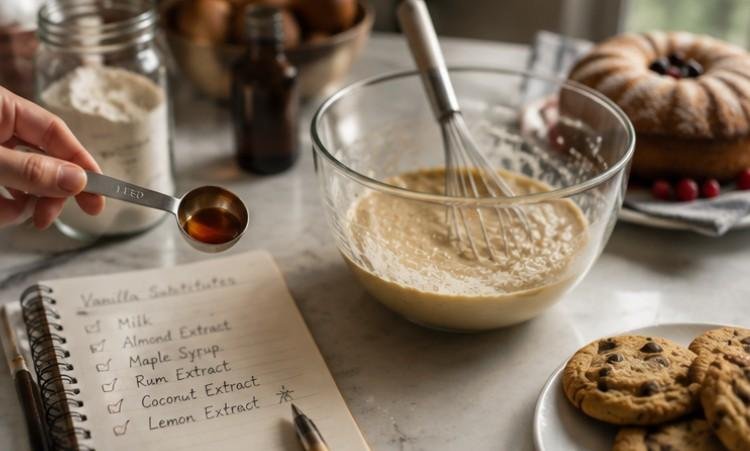
    Baking a fresh batch of chocolate chip cookies only to find an empty bottle is a classic home kitchen hurdle. Reaching for an easy substitute for vanilla extract in baking saves your sweet treats without requiring a last-minute trip to the grocery store. Testing different pantry swaps proves that simple everyday liquids often yield delicious, aromatic results in your oven.

    Finding a Substitute for Vanilla Extract Saves the Day

    Running out of essential baking ingredients happens to everyone, usually right when your mixing bowl is full of wet dough. Discovering a reliable substitute for vanilla extract in baking keeps your kitchen routine stress-free and prevents wasted ingredients. Knowing these simple liquid and spice swaps gives you complete confidence to bake anytime without delay.

    Having multiple backup options allows you to adapt to whatever you currently have stocked in your pantry or refrigerator cabinet. It also encourages creative flavor variations that can elevate standard family recipes into memorable signature treats.

    Direct Vanilla Alternatives

    Utilizing different physical forms of pure vanilla products gives you authentic flavor without altering the delicate chemistry of your baked goods.

    Applying Any Substitute for Vanilla Extract in Baking Alternative Flavor Extracts

    Vanilla Bean Paste and Imitation Extract

    Vanilla bean paste offers intense flavor alongside those classic black flecks that make homemade desserts look like they came from a professional pastry shop. You can use a direct 1:1 ratio, swapping one teaspoon of paste for every teaspoon of standard extract requested in your recipe.

    Imitation vanilla extract is a Budget-friendly alternative that performs exceptionally well during high-heat oven baking. You can substitute it at a simple 1:1 ratio for cookies, sheet cakes, and quick breads without noticing any drop in overall sweetness.

    Whole Vanilla Beans and Vanilla Powder

    Scraping fresh seeds from a whole vanilla bean pod provides incredible aromatic strength for your special occasion baking. Using 1/3 of a single whole pod, or scraping roughly two inches of a bean, yields flavor equal to one full teaspoon of liquid extract.

    Pure vanilla powder is made from dehydrated ground beans and works wonderfully in dry ingredient mixtures. Swap 1/2 to 1 teaspoon of vanilla powder for each teaspoon of extract, depending on the specific brand strength listed on your bottle package.

    Pantry Liquid Alternatives

    Reaching into your pantry for everyday sweet liquids helps maintain proper moisture while keeping your baking project moving along smoothly.

    Pantry Liquid Alternatives

    Pure Maple Syrup for Natural Warmth

    Real pure maple syrup is one of the most convenient liquid swaps because its natural caramel notes closely mirror pure vanilla extract. You can use a straight 1:1 ratio in batters, though it adds a subtle maple sweetness that pairs best with cookies and muffins.

    Because maple syrup is slightly sweeter than standard extract, you can optionally reduce your granulated sugar by a fraction of a tablespoon. It provides a golden warmth that makes quick breads and breakfast pancakes taste exceptionally rich.

    Bourbon or Dark Rum and Vanilla-Flavored Milk

    Aged dark spirits like bourbon, dark rum, or brandy contain natural wood compounds called vanillin that mimic vanilla extract almost perfectly. Swap these liquors at a 1:1 ratio, or up to 2x the amount for extra depth, knowing the alcohol bakes away in the oven.

    Vanilla-flavored plant milks like oat, soy, or almond milk offer a gentle, alcohol-free alternative for sensitive diets. Use a 2:1 ratio by adding two teaspoons of vanilla-flavored milk for every one teaspoon of extract to keep batters moist.

    Alternative Flavor Extracts

    Branching out into other liquid extracts allows you to customize your recipes with bright, distinct secondary flavor profiles.

    Almond Extract Concentration Rules

    Almond extract provides a warm, nutty aroma that complements berry pies, fruit tarts, and butter sugar cookies. However, pure almond oil is much stronger than vanilla extract, meaning a heavy hand can easily overpower your delicate baked goods.

    Always use 1/2 teaspoon of almond extract for every 1 teaspoon of vanilla extract required in your recipe instructions. This half-measure gives your treats a pleasant bakery fragrance without dominating the other sweet ingredients.

    Fruit and Mint Extract Variations

    Other specialty options like lemon, orange, or peppermint extract can step in as creative replacements when you are completely out of vanilla. Use a 1:1 ratio for these extracts only if their distinct fruit or mint notes match the flavor of your specific recipe.

    For instance, citrus extracts shine in summer sponge cakes, while peppermint extract works brilliantly in holiday chocolate brownies. Always consider the finished combination before pouring strong fruit oils directly into your wet dough mixture.

    Applying Any Substitute for Vanilla Extract in Baking

    Applying Any Substitute for Vanilla Extract in Baking

    Executing a smooth ingredient swap requires a quick three-step approach to keep your baked goods tender, balanced, and deliciously fragrant.

    First, identify the primary role vanilla plays in your dessert. If vanilla is the central flavor of a delicate white cake or custard, choose a direct vanilla swap like bean paste or dark bourbon. If vanilla is just a background note in a bold chocolate brownie, simple syrup or spices work fine.

    Second, measure liquid alternatives carefully to protect your recipe balance. When using concentrated flavorings like almond extract, stick strictly to half measurements to avoid harsh tastes. When using plant milks, mix them into your wet ingredients before combining with flour.

    Third, adjust overall sweetness and bake as usual. If you choose sweet maple syrup or honey, reduce your dry sugar slightly to prevent over-browning in the oven. Place your pans on the center rack and follow your original baking times closely.

    Frequently Asked Questions

    1. What can I use if I don’t have any vanilla extract?

    You can easily use maple syrup, dark bourbon, vanilla bean paste, or almond extract. Maple syrup, bourbon, and vanilla paste work as simple 1:1 replacements, while almond extract requires using only half the listed measurement.

    2. What happens if you leave vanilla extract out of a recipe?

    Leaving vanilla extract out reduces background sweetness slightly, but your recipe will still bake with proper structure. Bold recipes featuring chocolate, peanut butter, citrus, or heavy spices taste delicious even without vanilla.

    3. What can I use as a substitute for vanilla extract in baking?

    Pure maple syrup, dark rum, vanilla bean paste, and almond extract are the absolute best choices. You can also use vanilla-flavored plant milk or warm spices like ground cinnamon to build rich flavor.

    4. Can I skip vanilla extract in baking?

    Yes, you can safely skip vanilla extract in almost any baked good without ruining the final texture or rise. Items with strong cocoa powder, fruit, or brown sugar naturally carry enough flavor on their own.

    Happy Baking With Simple Kitchen Swaps

    Mastering every potential substitute for vanilla extract in baking keeps your favorite kitchen projects running smoothly without any stress. Whether you decide to pour pure maple syrup, splash dark bourbon, or add a dash of almond extract, your desserts will bake up fragrant and delicious. Keep these easy kitchen ratios handy so you can keep baking wonderful sweet treats whenever inspiration strikes!

  • How to Fix Dry Cookie Dough To Save the Batch

    How to Fix Dry Cookie Dough To Save the Batch

    A crumbly bowl of dough can turn fun baking into a kitchen emergency. Learning how to fix dry cookie dough helps save the batch before extra flour, cold butter, or lost moisture ruins the texture. Diagnose the cause first, then make small changes.

    Most dry cookie dough can be saved. Resting it, warming it, or adding a teaspoon of liquid often restores the right consistency. Aim for dough that holds together when pressed without becoming sticky or greasy.

    Key Takeaways

    • Rest cookie dough for 10 minutes before changing it.
    • Warm refrigerated dough for about 15 minutes.
    • Add milk, water, or melted butter one teaspoon at a time.
    • Check flour measurements before adding ingredients.
    • Bake one test cookie before finishing the batch.

    Quick Fixing Your Dry Cookie Dough

    Knowing how to fix dry cookie dough is handy because crumbly dough does not always mean a failed recipe. It may simply need time, warmth, or a small moisture adjustment.

    It also helps prevent hard, dense cookies. Recognizing cold dough versus genuinely dry dough lets you fix the real problem without creating a sticky mess.

    How to Fix Dry Cookie Dough Step by Step

    Start with the gentlest solution. Dough can look dry even when its balance is correct, especially just after mixing or refrigeration.

    Let the Dough Rest

    Cover the bowl and let the dough sit for 10 minutes. Flour continues absorbing moisture from butter, eggs, and other wet & dry ingredients in home baking. After resting, press a small amount between your fingers.

    If it holds together, stop there. Adding unnecessary liquid can make cookies spread too much or develop greasy edges during baking.

    Warm Cold Dough

    Refrigerated dough often feels dry because chilled butter becomes firm. Leave it on the counter for 15 minutes, then test a small portion.

    Avoid microwaving the bowl. Uneven heating can melt some butter while other areas remain cold, causing inconsistent spreading in the oven.

    Add Moisture Slowly

    If the dough still crumbles, add milk, water, or melted butter one teaspoon at a time. Mix gently after each addition and stop once the dough holds together.

    For rich dough, half a beaten egg or one room-temperature yolk may help when extra fat and moisture are needed. Eggs also affect structure and spread.

    Why Cookie Dough Turns Dry

    Dry dough usually comes from an imbalance of flour, fat, and moisture. Finding the cause helps you choose a targeted fix.

    Why Cookie Dough Turns Dry

    Too Much Flour

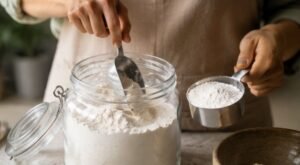
    Excess flour is a common cause of crumbly cookie dough. Scooping directly from a bag can pack flour into the cup, giving you more than the recipe intended.

    For accuracy, weigh flour or spoon it gently into a measuring cup and level the top. King Arthur Baking recommends weighing flour whenever possible because measurement differences can noticeably affect baking results.

    Overmixing the Dough

    Mixing too long after adding flour encourages gluten development. This can make dough tighter and produce cookies that are firmer or tougher than intended.

    Mix only until the flour disappears. Fold chocolate chips, nuts, or other additions in with a spatula rather than continuing to beat the dough.

    Browning Butter Too Long

    Brown butter tastes nutty, but heating evaporates water. Cooking it too long can leave dough drier than expected.

    Use recipes designed for browned butter. Some formulas replace lost moisture with measured milk or water.

    Choose the Right Rescue Ingredient

    The best addition depends on the cause. Matching the ingredient to the problem gives you better control over texture and spread.

    Choose the Right Rescue Ingredient

    Milk or Water

    Milk adds moisture plus small amounts of fat and protein. Water adds hydration with little flavor change, making either useful for minor dryness.

    Start with one teaspoon, mix gently, and reassess. Large additions are difficult to reverse once cookie dough becomes sticky.

    Melted Butter

    Melted butter is useful when the dough lacks fat, not simply whenever it looks crumbly. It can improve tenderness and help dry crumbs bind.

    Add only a teaspoon at a time. Too much butter can create flat cookies with greasy bottoms, especially in recipes with reduced sugar bakes.

    Egg Yolk

    Egg yolk contributes moisture, fat, and emulsifiers, so it can help rich dough when an egg component was accidentally omitted or clearly needed.

    Do not add a whole egg casually. Excess egg can make cookies cakey, puffy, or too soft instead of merely correcting dryness.

    Test One Cookie First

    A test cookie can reveal more than guessing from the bowl. Once the dough feels workable, bake one portion at the recipe’s stated temperature and time.

    Let it cool briefly, then check its spread, center, and edges. If it remains unusually thick and dry, the dough may need another tiny adjustment.

    If it spreads too far, stop adding liquid or fat. Chill the dough briefly if needed before testing again.

    Prevent Dry Cookie Dough

    Good measuring, temperature control, and storage make cookie dough more predictable and reduce the need for last-minute fixes.

    Prevent Dry Cookie Dough

    Measure Flour Correctly

    A kitchen scale gives the most consistent results. Without one, loosen the flour, spoon it into the cup, and level the top without packing.

    Watch Ingredient Temperature

    Softened butter should be pliable, not melted or oily. Chilled cookie dough should also have time to soften before you decide it is too dry.

    Temperature affects mixing and oven spread, so treat those instructions as part of the recipe rather than optional suggestions.

    Store Dough Airtight

    Cookie dough can lose moisture when exposed to refrigerator air. Cover the bowl tightly or transfer the dough to an airtight container before chilling.

    For longer storage, portion and freeze dough properly. Good storage prevents a dry crust and preserves the intended moisture balance.

    Frequently Asked Questions

    1. How Do You Rehydrate Cookie Dough?

    Let the dough rest for 10 minutes first. If it remains crumbly, add milk, water, or melted butter one teaspoon at a time, mixing gently until it holds together without becoming sticky.

    2. How Do You Fix Dough That Is Too Dry?

    Check whether the dough is cold, overfloured, or missing an ingredient. Then add a suitable liquid or fat gradually, allowing each teaspoon to blend before deciding whether more is necessary.

    3. Can You Make Dry Cookies Soft Again?

    Yes. Store dry cookies in an airtight container with a slice of bread for several hours. They can absorb some moisture, although severely overbaked cookies may not become completely soft again.

    4. What Is the Best Way to Learn How to Fix Dry Cookie Dough?

    The safest way to learn how to fix dry cookie dough is to check temperature first, rest the dough, review the recipe, then add moisture gradually so you do not overcorrect the batch.

    Turn Crumbs Into Cookies

    Learning how to fix dry cookie dough gives you a simple way to rescue a batch without waste.  Now you can make ahead desserts for a party. Start by resting or warming the dough, then correct moisture one teaspoon at a time. I get the best results from small adjustments, accurate measuring, and one test cookie before baking the tray. With that routine, crumbly dough becomes an easy kitchen problem instead of a baking disaster.

  • Easy Homemade Desserts for Family Gatherings Made Simple

    Easy Homemade Desserts for Family Gatherings Made Simple

    I want dessert at a family gathering to feel generous, not exhausting. The best easy homemade desserts for family gatherings can be made ahead, cut cleanly, and served without keeping me in the kitchen while everyone else relaxes.

    I favor tray bakes, bars, chilled desserts, and no-bake sweets. They scale better than fussy pastries and handle casual serving with far less stress.

    What Makes a Family Dessert Truly Easy?

    A short ingredient list helps, but true ease starts with the whole event. I consider preparation time, guest count, storage, transport, serving, and cleanup before choosing a recipe.

    For easy homemade desserts for family gatherings, I look for recipes that tolerate a crowded refrigerator, a short car ride, or a delayed serving time. I also choose easy homemade desserts for family gatherings by logistics as much as flavor. After a rich dinner, lemon bars feel lighter. After a cookout, brownies or cheesecake bars are easy crowd-pleasers.

    Easy Tray Desserts That Feed a Crowd

    A 9-by-13-inch pan is one of my favorite tools for feeding a group. It creates predictable portions, travels well, and avoids cutting a tall cake at a crowded table.

    Layered Pudding Delight

    Layered Pudding Delight

    A layered pudding dessert combines a crumb or nut crust, sweetened cream cheese, pudding, and whipped topping. It can be chilled ahead and cut into neat squares before serving.

    Chocolate, vanilla, or butterscotch pudding changes the flavor without changing the method. That flexibility works well for birthdays, reunions, holiday meals, and relaxed Sunday dinners.

    Classic Lemon Bars

    Lemon bars add a bright, tart contrast to a dessert table filled with chocolate and cream. Their shortbread base also gives each square enough structure for easy transport.

    For cleaner pieces, I chill the pan before slicing and wipe the knife between cuts. I add confectioners’ sugar shortly before serving so the tops still look fresh.

    Chocolate Chip Cheesecake Bars

    These bars combine cookie dough with a creamy cheesecake center. They feel more special than plain cookies but are easier to portion than a traditional cheesecake.

    I especially like them when guests will be standing or moving between rooms. That makes them practical easy homemade desserts for family gatherings where formal plating would slow everything down.

    No-Bake Desserts for Busy Gathering Days

    No-bake recipes help when the oven is already occupied by dinner. They also reduce cleanup and often improve after several hours in the refrigerator.

    No-Bake Oreo Cheesecake

    No-Bake Oreo Cheesecake

    A crushed chocolate-cookie crust with a whipped cream cheese filling is simple and familiar. I prepare it the night before so the filling has enough time to firm.

    For a large group, I prefer a rectangular pan instead of a springform pan. Squares are quicker to portion and easier for guests to pick up from a dessert table.

    Chocolate Oat No-Bake Cookies

    Chocolate oat no-bake cookies use pantry staples and set on parchment rather than baking in the oven. They are useful when I need one quick extra dessert to increase the serving count.

    Peanut butter can add richness and structure. If I use it, I clearly label the batch for family members or guests who may have nut allergies.

    Coffee Cream Mousse Cups

    Whipped cream, mascarpone, and cooled strong coffee can become a quick mousse-style dessert. Small cups make it look polished without complicated piping or decoration.

    Because the mixture is rich, smaller portions work well. I also keep the cups chilled until shortly before serving.

    Make-Ahead Desserts That Improve Overnight

    Some sweets improve after resting. For me, easy homemade desserts for family gatherings work best when at least one component can be finished the day before.

    If advance preparation matters most, I also plan around make ahead desserts for a party because the same strategy works for birthdays, reunions, potlucks, and holiday dinners.

    Tres Leches Cake

    Tres Leches Cake

    Tres leches cake benefits from time because the sponge needs to absorb its milk mixture. Making it a day ahead creates a softer and more evenly moist texture.

    I add whipped topping and delicate garnishes later. This keeps the top looking fresh without adding much work on gathering day.

    Strawberry Pretzel Dessert

    A salty pretzel crust, cream cheese layer, and strawberry gelatin topping create contrast without complicated pastry work. The chilled layers are also easy to prepare in stages.

    This is one of my favorite easy homemade desserts for family gatherings during warm weather because a cold, sweet-tart dessert can feel lighter than a dense frosted cake.

    My Simple Dessert-Planning Formula

    I use a practical rule of about 1.25 dessert servings per guest when dessert is the main sweet option. This is my hosting rule of thumb rather than an official food-service standard.

    The extra quarter serving gives me room for seconds, uneven cuts, or one unexpected guest.

    For 16 guests, I plan about 20 servings. I can cut one 9-by-13-inch pan into 20 smaller bars. Another option is 12 larger cheesecake squares plus 8 no-bake cookies.

    For a bigger crowd, I pair two textures rather than preparing two complicated desserts. One creamy option plus one handheld option creates variety without doubling the work.

    That makes easy homemade desserts for family gatherings simpler to scale before I even start shopping.

    How to Serve and Store Desserts Safely

    How to Serve and Store Desserts Safely

    Cheesecakes, mousse, whipped cream desserts, and cream cheese layers need reliable refrigeration. The FDA recommends keeping refrigerators at 40°F or below. Foods requiring refrigeration should generally return to cold storage within two hours, or within one hour when temperatures rise above 90°F.

    At outdoor gatherings, I prefer putting out smaller portions and replenishing them from the refrigerator or cooler. The USDA provides the same basic two-hour limit for perishable foods and a one-hour limit when temperatures exceed 90°F.

    That simple serving habit helps easy homemade desserts for family gatherings stay appealing and safer during summer cookouts, reunions, and backyard celebrations.

    Frequently Asked Questions

    1. What are the best easy homemade desserts for family gatherings?

    Tray bakes, lemon bars, cheesecake bars, no-bake cheesecakes, cookies, and chilled layered desserts work well because they scale easily and simplify serving.

    2. What dessert can I make the night before a family gathering?

    Tres leches cake, no-bake cheesecake, pudding desserts, and strawberry pretzel dessert are strong choices because chilling can improve their structure and flavor.

    3. What is the easiest dessert for a large family crowd?

    A 9-by-13-inch bar or layered dessert is usually simplest because one pan can produce many portions with minimal serving equipment.

    4. How many dessert servings should I make per person?

    I plan about 1.25 servings per guest when dessert is the main sweet course, then round upward if second helpings or extra guests are likely.

    Sweet Ending, Zero Kitchen Drama

    I do not judge dessert by how complicated it looks. I care more about whether it feeds everyone, survives the trip, and lets me enjoy the gathering too.

    The smartest easy homemade desserts for family gatherings match the event instead of fighting it. I count the guests, multiply that number by 1.25, then choose a tray, chilled, or no-bake dessert that fits the total. That one decision keeps the dessert table generous without turning my kitchen into a second event.

  • Passport to Protein: High Protein International Dessert Recipes Worth Craving

    Passport to Protein: High Protein International Dessert Recipes Worth Craving

    Dessert is one of my favorite ways to travel without leaving the kitchen. One night, I can dig into a creamy tiramisu-inspired treat, and the next, I can enjoy cardamom-scented paneer kheer or a silky tofu pudding with Japanese influence. 

    What makes high-protein international dessert recipes especially exciting is that they turn iconic global sweets into more satisfying options without stripping away the flavors that make them memorable.

    Instead of forcing protein powder into every recipe, I like using ingredients that already belong naturally in different cuisines. Skyr adds richness to European desserts, paneer brings body to Indian sweets, labneh works beautifully with Middle Eastern flavors, and silken tofu creates an incredibly smooth base for Asian-inspired puddings. 

    The result is dessert that still feels indulgent, but fits more comfortably into a protein-conscious lifestyle.

    What Makes International Desserts High in Protein?

    A protein-rich dessert should contain a meaningful amount of protein per serving while still tasting like dessert. Greek yogurt, skyr, cottage cheese, milk, ricotta, paneer, tofu, eggs, nuts, and seeds can all help increase protein naturally.

    Protein powder also works well when used carefully. I prefer whey or whey-casein blends in baked cheesecakes and creamy fillings because they blend more easily than large amounts of dry powder. The goal is to improve the macros without creating a chalky or rubbery texture.

    Which European High Protein Desserts Are Worth Trying?

    German Strawberry Skyr Tiramisu

    Strawberry skyr tiramisu gives the traditional creamy layered dessert a lighter, protein-focused makeover. Instead of relying heavily on mascarpone, this version combines plain skyr with vanilla protein pudding.

    To make it, use about 7 ounces of sugar-free ladyfingers, 1 cup plain skyr, roughly ⅓ cup vanilla protein pudding, fresh strawberries, vanilla extract, a low-calorie sweetener, and a squeeze of lime.

    I blend part of the strawberries with sweetener and a small amount of water, then layer the puree over the ladyfingers. A smooth skyr and protein-pudding mixture goes on top, followed by sliced strawberries. After chilling for one to two hours, the dessert develops a creamy texture while remaining fresh and fruity.

    French-Inspired Cashew Chocolate Mousse

    French-Inspired Cashew Chocolate Mousse

    Classic French chocolate mousse often depends on cream, eggs, and chocolate. This modern version uses soaked cashews and chocolate protein powder to create a thick, velvety consistency.

    Blend 1 cup soaked raw cashews with five Medjool dates, two scoops of chocolate protein powder, 1½ cups unsweetened almond milk, and about 3½ ounces of melted 70% dark chocolate.

    Once completely smooth, divide the mousse into ramekins and refrigerate until firm. The dates add sweetness, while the cashews and protein powder create a rich texture without heavy cream.

    Which North African Protein Dessert Offers Something Different?

    Tunisian High-Protein Khobzet Hwe

    Tunisia brings one of the most interesting ideas in this collection. Khobzet Hwe is traditionally built around layers of biscuits and creamy fillings, making it well suited to a macro-friendly reinterpretation.

    Start with sweet biscuits, brewed coffee, Greek yogurt mixed with vanilla or almond whey protein, and a second filling made from peanut butter, yogurt, and cinnamon. Finish with a small amount of dark chocolate ganache.

    I lightly dip the biscuits in coffee, arrange them in a single layer, and spread the chilled protein-yogurt cream over them. Next comes the peanut butter mixture, followed by a light chocolate drizzle. Repeating those layers creates a dessert that feels decadent while using significantly more protein-rich ingredients than a conventional pastry cream.

    What American Protein Dessert Tastes Most Like Cheesecake?

    Cookie Butter Protein Cheesecake

    For American readers, this is probably the most familiar indulgence. It takes inspiration from dense New York-style cheesecake but uses Greek yogurt, cottage cheese, egg whites, and protein powder to improve the protein content.

    Blend approximately 14 ounces nonfat Greek yogurt with cottage cheese, fat-free cream cheese, two whole eggs, about 3½ ounces egg whites, roughly 2½ ounces vanilla whey-casein protein powder, sugar-free cheesecake pudding mix, and a modest amount of Biscoff cookie butter.

    Pour the mixture into a foil-wrapped 9-inch springform pan. Swirl melted cookie butter over the surface, place the cheesecake in a warm water bath, and bake at 300°F for about 55 minutes. Turn off the oven, crack the door, and let it cool gradually before refrigerating overnight.

    This slower cooling process helps create the dense, smooth texture people expect from cheesecake.

    Which Asian and Indian Desserts Can Naturally Pack More Protein?

    Japanese-Inspired Silken Tofu Chocolate Pudding

    Japanese-Inspired Silken Tofu Chocolate Pudding

    Silken tofu makes an excellent base for healthy dessert recipes because it blends into an exceptionally smooth pudding. Combine it with cocoa, melted dark chocolate, vanilla, and your preferred sweetener.

    The tofu flavor becomes almost unnoticeable once blended, while soy protein gives the dessert more nutritional value than many traditional puddings.

    Indian Paneer Kheer

    Paneer works naturally in Indian desserts, so this recipe does not feel like a forced fitness adaptation. I simmer milk with cardamom and saffron before adding crumbled paneer and a controlled amount of sugar. For those exploring Authentic Asian Desserts With Coconut Milk, similar traditional recipes often highlight creamy textures and aromatic ingredients that make Asian sweets especially distinctive.

    Using higher-protein milk can boost the total even further. Depending on serving size and ingredients, paneer kheer can provide roughly 15 to 20 grams of protein.

    Which Middle Eastern Ingredients Work Best in Protein Desserts?

    Labneh, pistachios, sesame, yogurt, and dates are especially useful for creating desserts without protein powder.

    One of my favorite combinations is a labneh cheesecake cup made with Greek yogurt, vanilla, honey, pistachios, and berries. Another easy option is a Greek yogurt parfait flavored with dates, pistachios, orange blossom water, and a light drizzle of honey.

    These protein-rich sweets feel naturally connected to Middle Eastern flavors rather than like conventional fitness desserts with artificial substitutions.

    How Do You Add Protein Without Ruining Dessert Texture?

    How Do You Add Protein Without Ruining Dessert Texture

    The biggest mistake I see with high-protein international dessert recipes is adding too much protein powder. Whey and plant-based powders absorb moisture, so excessive amounts can make cakes dry and fillings gritty.

    I prefer ingredients that already match the dessert. Skyr belongs naturally in creamy European recipes. Paneer works beautifully in Indian sweets. Silken tofu disappears into chocolate pudding, while labneh and Greek yogurt create smooth Middle Eastern-inspired desserts.

    If I use protein powder, I balance it with moisture-rich ingredients and avoid letting it dominate the recipe.

    Frequently Asked Questions (FAQs)

    1. What international desserts are naturally high in protein?

    Dairy-based Indian sweets, skyr desserts, Greek yogurt desserts, tofu puddings, custards, cheesecakes, and labneh-based desserts naturally provide stronger protein foundations.

    2. Can I make protein desserts without protein powder?

    Yes. Greek yogurt, cottage cheese, skyr, paneer, tofu, eggs, ricotta, milk, nuts, and seeds can all increase protein without using powder.

    3. Which protein ingredient works best for creamy desserts?

    Greek yogurt, skyr, cottage cheese, labneh, and silken tofu work especially well because they provide protein while maintaining a creamy consistency.

    4. How can I calculate protein per serving?

    Add the protein from every ingredient using the nutrition labels on the exact products you use, then divide the total by the number of servings.

    A Better Way to Satisfy a Sweet Tooth

    What makes high-protein international dessert recipes especially appealing to me is the variety. I can make strawberry skyr tiramisu one weekend, Tunisian-inspired layered biscuits the next, and a cookie butter cheesecake when I want something unmistakably American.

    The best approach is not to erase what makes a traditional dessert special. Instead, use protein-rich ingredients intelligently, preserve the signature flavors, and adjust portions and sweetness to suit your goals.

  • Make Ahead Desserts For A Party: Easy Crowd Favorites

    Make Ahead Desserts For A Party: Easy Crowd Favorites

    A party feels much easier when dessert is already sitting in the refrigerator instead of waiting on my kitchen counter unfinished. I rely on make ahead desserts for a party because they remove one of the biggest hosting headaches: preparing something impressive while guests are already arriving.

    The smartest choices also improve while they rest. Icebox cakes soften, parfait flavors blend, cheesecake firms, and frozen desserts stay ready until serving time.

    Why Make-Ahead Desserts Make Hosting Easier

    The best party dessert is not always the most complicated one. I prefer desserts that reward early preparation.

    Less Last-Minute Kitchen Work

    Finishing dessert before party day gives me time to clean the kitchen, arrange serving dishes, and handle the meal itself.

    No-bake cakes, chilled bars, pudding cups, trifles, and frozen cakes need little attention once assembled. Many can move directly from refrigerator to table.

    This also makes make ahead desserts for a party especially useful for birthdays, graduations, showers, cookouts, and holiday gatherings.

    Better Flavor and Texture

    Some desserts genuinely need resting time.

    Icebox cakes are the clearest example. Their crisp cookies absorb moisture from whipped cream and gradually develop a soft, cake-like texture. 

    King Arthur Baking recommends several hours of refrigeration, with some versions benefiting from an overnight chill.

    That means making dessert early is not merely convenient. It can be part of the recipe.

    Best Make Ahead Desserts For A Party

    I usually start with desserts that need no decoration immediately before serving.

    No-Bake Icebox Cakes

    No-Bake Icebox Cakes

    Icebox cakes are among my favorite make ahead desserts for a party because the refrigerator does most of the work.

    Layer thin chocolate cookies, graham crackers, or vanilla wafers with whipped cream or a cream cheese filling. Fresh berries, chocolate curls, caramel, or fruit preserves can add flavor without creating much extra work.

    For the best texture, I prefer assembling an icebox cake the night before. Even eight hours can give the cookies enough time to soften.

    Mason Jar Pudding Parfaits

    Mason Jar Pudding Parfaits

    Individual parfaits solve two common party problems: portioning and messy serving.

    I layer vanilla or chocolate pudding with graham cracker crumbs, whipped topping, berries, cookie pieces, or chocolate shavings. Clear jars or cups make simple ingredients look far more polished.

    They also allow me to prepare exact portions before guests arrive.

    Strawberry Lemonade Dessert Jars

    Strawberry Lemonade Dessert Jars

    For spring and summer gatherings, strawberry lemonade jars feel lighter than dense cakes.

    Layers of lemon cookies, cream cheese whipped cream, and fresh strawberries provide sweetness with enough acidity to keep each bite bright.

    I assemble the creamy layers ahead but save delicate garnishes for serving time.

    Crowd-Sized Desserts That Serve Easily

    Large pans work better when I expect many guests and want fewer dishes in the refrigerator.

    Berry Icebox Cake

    Berry Icebox Cake

    A berry icebox cake combines cookies, lemony cream filling, strawberries, blueberries, or raspberries.

    The colorful layers make it attractive enough for a celebration without elaborate decorating. I also like that one pan can be sliced into many portions.

    Strawberry Shortcake Squares

    Strawberry Shortcake Squares

    Strawberry shortcake squares are practical when I want familiar flavors at a lower cost.

    Vanilla pudding, whipped topping, vanilla wafers, and sliced strawberries create soft layers that become more cohesive after chilling.

    They are particularly useful when I need make ahead desserts for a party that can be cut quickly for a buffet.

    Cheesecake and Dessert Bars

    Cheesecake and Dessert Bars

    Cheesecake bars, lemon bars, brownies, blondies, and cookie bars can be excellent make-ahead choices.

    Unlike delicate plated desserts, bars travel well and require almost no assembly. I bake them early, cool them completely, then slice them before guests arrive.

    For another low-stress option, I keep a list of easy desserts to make with pantry ingredients for gatherings planned on short notice.

    Frozen Desserts Worth Making Early

    Freezer desserts give me the longest preparation window and work particularly well for warm-weather parties.

    Ice Cream Sandwich Cake

    Ice Cream Sandwich Cake

    An ice cream sandwich cake requires surprisingly little effort.

    I layer ice cream sandwiches with whipped topping, crushed cookies, chocolate sauce, or caramel in a 9-by-13-inch pan. Once frozen firmly, it stays ready until dessert time.

    Remove it from the freezer a few minutes before slicing so the layers cut more cleanly.

    Peanut Butter Chocolate Ice Cream Cake

    Peanut Butter Chocolate Ice Cream Cake

    For a richer option, I combine chocolate cookies, peanut butter, whipped topping, and ice cream.

    The dessert can be assembled several days ahead, which makes it one of the most convenient make ahead desserts for a party when the refrigerator is already packed with other food.

    My Two-Zone Dessert Plan

    One mistake I used to make was choosing several desserts that all needed refrigerator space.

    Choose One Chilled Centerpiece

    Now I usually prepare one refrigerator or freezer centerpiece, such as an icebox cake, cheesecake, or frozen cake.

    That gives guests one memorable dessert without filling every shelf.

    Add One Easy Backup Dessert

    My second dessert comes from a different storage zone.

    For example, I may pair an icebox cake with brownies that can stay covered at room temperature. For 12 guests, I often prepare around 16 total portions because some people want seconds while others skip dessert.

    This is my practical hosting rule rather than a strict catering formula, but it keeps portions comfortable without producing excessive leftovers.

    How Far Ahead Should Desserts Be Made?

    The right timing depends on how texture changes during storage.

    One Day Before

    Parfaits, cheesecakes, pudding desserts, trifles, and most icebox cakes are ideal candidates for the day before.

    Overnight chilling gives creamy desserts time to firm and layered desserts time to settle.

    Two or More Days Before

    Brownies, cookie bars, certain cheesecakes, and frozen desserts can usually handle an earlier start when stored correctly.

    Frozen cakes are especially useful before large events because they do not compete for refrigerator space.

    I still leave fresh fruit garnishes, powdered sugar, whipped cream decorations, and crunchy toppings until close to serving.

    Keep Party Desserts Fresh and Safe

    Food safety matters just as much as convenience with make ahead desserts for a party, especially when recipes contain whipped cream, pudding, cream cheese, eggs, or other perishable ingredients.

    The FDA recommends keeping refrigerators at 40°F or below. Perishable prepared foods should generally be refrigerated within two hours, or within one hour when temperatures exceed 90°F.

    The USDA gives the same two-hour limit for perishable foods and recommends keeping cold foods at 40°F or below during service. At outdoor summer gatherings above 90°F, the safe window drops to one hour.

    I therefore serve creamy desserts in smaller batches rather than leaving every portion on a buffet table for the entire party.

    Frequently Asked Questions

    1. What Desserts Can I Make Two Days Before A Party?

    Cheesecake, brownies, cookie bars, some icebox cakes, and many frozen desserts can be prepared two days ahead when properly covered and refrigerated or frozen.

    2. What Are The Best Make Ahead Desserts For A Party Of 20?

    Large icebox cakes, sheet-pan bars, cheesecake squares, parfait cups, and frozen cakes work well because they portion easily and require little last-minute preparation.

    3. What Desserts Taste Better The Next Day?

    Cheesecake, tiramisu-style desserts, trifles, pudding parfaits, and icebox cakes often improve after chilling because flavors blend and layered textures become softer.

    4. How Do I Keep Desserts Fresh Before A Party?

    Cover desserts tightly, refrigerate perishable recipes at 40°F or below, separate crunchy garnishes until serving, and freeze desserts designed for longer storage.

    Sweet Success Without the Last-Minute Scramble

    The biggest benefit of make ahead desserts for a party is not simply saving a few minutes. They let me actually enjoy the gathering instead of decorating cake while everyone else is having fun.

    My favorite strategy is simple: choose one chilled showstopper, add one easy-to-store backup, and prepare both before party day. Dessert arrives looking intentional, while the kitchen stays calm.

  • Taste the World: Healthy Yogurt Desserts From Around the World

    Taste the World: Healthy Yogurt Desserts From Around the World

    Dessert is one of my favorite ways to explore another culture without leaving the kitchen. From saffron-scented strained yogurt in India to thick Greek yogurt drizzled with honey, traditional cuisines have transformed cultured dairy into wonderfully creamy treats for generations.

    What makes healthy yogurt desserts from around the world especially appealing to me is their versatility. Depending on the yogurt and recipe, they can provide protein, calcium, live cultures, fruit, nuts, and satisfying texture while using less heavy cream or butter than many conventional desserts. For US home cooks, most of the ingredients are also easy to find at supermarkets.

    Why Is Yogurt So Good for Healthier Desserts?

    Yogurt creates creaminess without requiring a rich custard or heavy frosting. Greek yogurt and other strained yogurts are particularly useful because removing some of the whey creates a dense texture that works well in puddings, parfaits, frozen desserts, and creamy fillings.

    Plain yogurt also lets me control sweetness instead of relying on heavily sweetened flavored varieties. Fruit, dates, honey, cardamom, cinnamon, citrus zest, nuts, and seeds can create plenty of flavor.

    However, I don’t assume that every yogurt dessert is automatically healthy. Added sugar, serving size, yogurt type, and toppings still matter. Some cooking methods may also affect live cultures, so it is better to evaluate the whole recipe than rely on the word “yogurt.”

    Which International Yogurt Desserts Are Worth Trying?

    Bhapa Doi: India’s Silky Steamed Yogurt Dessert

    Bhapa doi comes from Bengal and delivers a smooth, custard-like texture. Traditional recipes combine thick yogurt with sweetened milk before steaming or baking the mixture until set.

    Cardamom and saffron add warmth and aroma, while almonds or pistachios provide crunch. Some versions also feature mango.

    For a lighter home adaptation, I would start with thick strained yogurt or Greek yogurt and moderate the amount of sweetener. Date palm jaggery can introduce a distinctive caramel-like sweetness, although it remains an added sugar and should be treated accordingly.

    Giaourti Me Meli: Greece’s Yogurt With Honey

    Few desserts prove the power of simplicity better than giaourti me meli, which essentially means yogurt with honey.

    Thick Greek yogurt provides the creamy and tangy base. Honey brings sweetness, while walnuts add crunch and richness. Thyme honey is especially associated with Greek flavors, although US cooks can use whichever good-quality honey is readily available.

    I like adding berries, figs, peaches, or pomegranate when I want more fruit. Choosing unsweetened Greek yogurt also makes it easier to control the total amount of added sugar.

    Shrikhand: India’s Whipped Strained Yogurt

    Shrikhand is especially popular in Maharashtra and Gujarat and often appears during celebrations and festivals. Plain yogurt is traditionally strained until it becomes thick chakka, which is then whipped with sugar and fragrant seasonings.

    Saffron and green cardamom give shrikhand its unmistakable aroma, while pistachios and almonds add texture.

    Mango shrikhand, commonly called amrakhand, introduces ripe mango puree into the mixture. When I want a fruit-forward adaptation, ripe mango can provide plenty of flavor, allowing me to reduce rather than automatically eliminate the traditional sweetener.

    Mishti Doi: Bengal’s Sweet Fermented Yogurt

    Mishti doi differs from shrikhand because fermentation plays a central role in creating its distinctive texture and flavor. Milk is sweetened, cultured, and left to set.

    The result is creamy, gently tangy, and often characterized by caramel-like sweetness. Jaggery is commonly associated with some versions.

    For American cooks interested in traditional yogurt desserts, mishti doi is especially interesting because it demonstrates that cultured dairy can become dessert through fermentation rather than whipping or freezing.

    Gâteau au Yaourt: France’s Everyday Yogurt Cake

    Not every yogurt dessert arrives in a bowl. France’s gâteau au yaourt is a simple home-style yogurt cake prized for its tender, moist crumb and straightforward preparation.

    Yogurt supplies moisture and mild tang, making the cake approachable even for relatively inexperienced bakers.

    I would keep the cake simple and use lemon or orange zest, berries, apples, or other fruit for extra flavor instead of covering it with heavy frosting. It remains cake, of course, but yogurt offers a clever way to create satisfying texture.

    Sweet Labneh With Fruit and Mint: A Levantine-Inspired Treat

    Sweet Labneh With Fruit and Mint A Levantine-Inspired Treat

    Labneh starts as yogurt that has been strained until it becomes exceptionally thick, almost like soft cream cheese. It frequently appears in savory dishes throughout the Levant, but its tangy flavor also pairs naturally with sweet ingredients.

    For dessert, I like spreading labneh onto a plate and adding fresh figs, pomegranate seeds, berries, or orange segments. Mint provides freshness, while pistachios add crunch. A light drizzle of honey can balance labneh’s sharp tang.

    This combination is especially useful when you want a no-bake yogurt dessert that feels elegant without requiring complicated preparation.

    Mediterranean-Inspired Yogurt and Fruit Parfait

    A parfait gives US home cooks one of the easiest ways to experiment with Mediterranean flavors.

    Layer unsweetened Greek yogurt with berries, figs, oranges, dates, peaches, or pomegranate. Walnuts and pistachios contribute texture, while cinnamon, cardamom, or a small amount of honey can finish the dessert.

    Because you assemble it yourself, a parfait also makes portion size and added sweetness easy to control.

    Yogurt With Dates and Pistachios

    Dates and yogurt are a natural sweet-and-tangy pairing. Finely chopped dates distribute concentrated sweetness through thick yogurt, while pistachios create contrast.

    I sometimes add cardamom, cinnamon, or orange zest for extra aroma. The combination takes only minutes, making it particularly useful when I want an easy yogurt dessert without turning on the oven.

    Homemade Mediterranean-Style Frozen Yogurt

    Homemade frozen yogurt provides another easy alternative to store-bought frozen desserts.

    I prefer starting with plain Greek yogurt and adding strawberries, cherries, peaches, or mixed berries. Lemon zest brightens the flavor, while a modest amount of honey can soften the yogurt’s tang.

    Making it at home also gives you much more control over sweetness and toppings.

    Frozen Yogurt Bark: A Modern Global Favorite

    Frozen yogurt bark isn’t an ancient traditional dessert, but it has earned a place among modern yogurt dessert ideas because it is convenient and endlessly customizable.

    Spread plain Greek yogurt across a lined sheet, add berries, chia seeds, chopped nuts, or cacao nibs, then freeze it until firm. Break the frozen layer into irregular pieces before serving.

    The result is cold, crisp, colorful, and easy to store in the freezer for a quick dessert.

    Is Greek Yogurt Better Than Regular Yogurt for Desserts?

    Is Greek Yogurt Better Than Regular Yogurt for Desserts

    It depends on what you’re making. Greek yogurt’s thick texture makes it ideal for parfaits, bark, creamy puddings, frozen yogurt, and many high-protein international dessert recipes.

    Regular yogurt contains more moisture, which can work well in cakes and baked recipes. For traditional dishes, however, I recommend understanding the original preparation before making substitutions simply for convenience.

    When shopping in the US, check the Nutrition Facts label for protein and added sugars. If live cultures matter to you, also look for labeling that indicates their presence.

    How Can You Make Yogurt Desserts Healthier Without Losing Their Identity?

    I prefer small, thoughtful changes instead of completely reinventing a cultural recipe. Starting with plain yogurt, reducing excessive added sweeteners, using ripe fruit, and adding spices or citrus for flavor can make a meaningful difference.

    Nuts, chia seeds, fresh fruit, and cacao nibs can also contribute texture and flavor. Honey and dates may feel more natural than refined sugar, but they still contribute sugars, so portion size matters.

    Most importantly, a “healthy twist” should never erase what makes a traditional dessert recognizable.

    Frequently Asked Questions About International Yogurt Desserts

    1. What are the healthiest desserts to make with Greek yogurt?

    Plain Greek yogurt with fruit, yogurt parfaits, frozen yogurt bark, and lightly sweetened strained-yogurt desserts are practical options. Their overall nutritional value depends on the yogurt, added sweeteners, toppings, and serving size.

    2. Which countries are famous for traditional yogurt desserts?

    India has shrikhand, bhapa doi, and mishti doi, while Greece is well known for thick yogurt with honey. Yogurt and strained cultured dairy also appear widely across Middle Eastern, Mediterranean, Balkan, Central Asian, and European cuisines.

    3. Can I use Greek yogurt instead of heavy cream in desserts?

    Greek yogurt can replace some creamy ingredients in selected recipes, particularly dips, fillings, parfaits, and chilled desserts. It does not behave exactly like heavy cream when whipped, heated, or baked, so substitutions should match the recipe.

    4. Are yogurt desserts naturally high in protein?

    Not necessarily. Greek and strained yogurts often contain more protein than standard yogurt, but the amount varies by brand and recipe. Checking the Nutrition Facts label gives you a much more reliable answer.

    Take Your Dessert Spoon Around the World

    Exploring healthy yogurt desserts from around the world has reminded me how differently one simple ingredient can behave. Yogurt can become steamed Bengali bhapa doi, fragrant Indian shrikhand, Greek yogurt with honey, French cake, thick labneh, or crisp frozen bark.

    For US home cooks, these desserts provide an approachable way to explore global flavors with ingredients that are generally easy to buy. Start with good-quality plain yogurt, use fruit and spices creatively, respect traditional techniques, and make healthier adjustments thoughtfully. You may discover that some of the most satisfying desserts don’t need to be the richest ones.

  • Sweet Treats for a Cozy Movie Night: 15 Easy Ideas

    Sweet Treats for a Cozy Movie Night: 15 Easy Ideas

    Some evenings call for more than simply pressing play. I like turning movie night into a small event with dim lights, soft blankets, a favorite film, and something delicious within reach. The best sweet treats for a cozy movie night are easy to prepare, comfortable to eat from the couch, and comforting enough to make staying in feel special.

    You do not need an elaborate dessert table. A few warm, chocolatey, crunchy, and no-bake choices can create variety while keeping preparation and cleanup simple.

    What Makes a Great Movie Night Treat?

    A good movie snack should be easy to portion, share, and hold without distracting you from the screen. Bite-sized desserts work especially well in small bowls, paper cups, or snack trays.

    Pair something rich with something crisp, salty, fruity, or marshmallow-soft. Mixing textures keeps a small dessert spread interesting.

    Warm and Cozy Movie Night Desserts

    1. Skillet Chocolate Chip Cookie

    Bake one large cookie until the edges turn golden while the center stays soft. Spoon warm portions into small cups and add vanilla ice cream.

    If the dough feels crumbly or refuses to come together, knowing how to fix dry cookie dough can help restore the right texture before baking. Small adjustments to moisture or mixing can make the final cookie softer, chewier, and much better suited for serving warm on movie night.

    2. Mini Apple Crumbles

    Fill small ramekins with cinnamon-spiced apples and a buttery oat topping. You get the comfort of apple pie without cutting and serving slices.

    3. Cinnamon Sugar Bites

    Bake small pieces of dough coated in cinnamon sugar until lightly crisp outside and tender inside. Serve with vanilla glaze or chocolate sauce.

    4. Warm Brownie Cups

    Bake brownie batter in a muffin tin for individual portions with chewy edges and fudgy centers. Add chocolate chips for extra richness.

    Easy Chocolate Treats for Movie Night

    Easy Chocolate Treats for Movie Night

    5. Chocolate-Covered Pretzels

    Dip pretzel twists or rods into melted chocolate and let them set. Their sweet-and-salty flavor makes them a natural partner for popcorn.

    6. Peanut Butter Chocolate Balls

    Roll a firm peanut butter filling into small balls, coat with chocolate, and chill. These rich bites need no plates or forks.

    7. Candy-Filled Brownie Bites

    Bake brownies in mini muffin cups and add chopped chocolate candy to the batter. They can be made ahead and served at room temperature.

    8. Chocolate Popcorn Clusters

    Mix popcorn with melted chocolate, form small clusters on parchment, and let them set. Each bite gives you crunch, sweetness, and salt.

    No-Bake Sweets for an Effortless Night

    9. Cookie Dough Truffle Bites

    Use edible cookie dough made with heat-treated flour and no raw eggs. Roll it into small balls, chill, and drizzle with chocolate.

    10. S’mores Bark

    Spread melted chocolate on parchment and add mini marshmallows and graham cracker pieces. Once firm, break it into pieces for campfire flavor without a fire.

    11. Mini Cheesecake Bites

    Prepare mini baked cheesecakes or a chilled no-bake version. Top them with berries, caramel, cookie crumbs, or small candy pieces.

    12. Crispy Cereal Squares

    Crispy cereal squares are inexpensive, make-ahead friendly, and handheld. Cut them small so everyone can sample other desserts too.

    Sweet and Salty Movie Snacks

    Sweet and Salty Movie Snacks

    13. Caramel Popcorn

    Coat fresh popcorn with a thin layer of caramel and let it crisp. Individual paper cups make sharing easy and help reduce spills.

    14. Chocolate Pretzel Snack Mix

    Combine pretzels, popcorn, crisp cereal, chocolate pieces, and mini marshmallows. It is easy to customize and offers varied texture in every handful.

    15. Rocky Road Popcorn

    Drizzle popcorn with chocolate, then add mini marshmallows and chopped nuts when suitable. Let everything cool before serving to reduce stickiness.

    How to Build a Cozy Dessert Spread

    Instead of making every idea, choose three or four. A balanced setup could include one warm dessert, one chocolate option, one crunchy snack, and one fruit-topped choice.

    If you want the setup to feel a little more polished, learning how to create a beautiful dessert table at home can help you arrange bowls, trays, treats, and serving pieces in a way that looks inviting without making movie night feel overly formal.

    Use small bowls, paper cups, and napkins. Put food where everyone can reach it without blocking the screen. Brownies, cereal squares, chocolate pretzels, truffles, and snack mix can be prepared earlier, leaving only a warm dessert to finish before the opening scene.

    Softer lighting, comfortable pillows, blankets, and drinks such as hot chocolate can make an ordinary streaming night feel planned without making it complicated.

    Frequently Asked Questions

    1. What are the best sweet treats for a cozy movie night?

    Choose desserts that are easy to hold, share, and eat without much mess. Brownie bites, caramel popcorn, chocolate pretzels, truffles, cereal squares, and mini cheesecakes work well.

    2. What desserts can I make ahead for movie night?

    Brownies, s’mores bark, chocolate pretzels, cereal squares, truffles, and cheesecake bites can all be prepared in advance. Store them properly until serving time.

    3. What is a good sweet and salty movie snack?

    Caramel popcorn, chocolate-covered pretzels, or a homemade mix of popcorn, cereal, pretzels, and chocolate gives you a satisfying balance of crunch and sweetness.

    4. How many desserts should I serve for movie night?

    Two to four desserts are usually enough. Keep portions small and offer different textures so everyone can sample more than one.

    A Sweet Ending to Movie Night

    For me, the best movie nights are not about complicated desserts. They are about creating a relaxed setting where the food feels as enjoyable as the film. Even warm brownies, caramel popcorn, or chocolate-dipped pretzels can make an ordinary evening feel memorable.

    I would start with a few easy favorites, prepare most of them in advance, and keep the portions couch-friendly. Add soft lighting, comfortable blankets, and a movie everyone wants to watch, and staying home can become the best plan of the night.

  • Authentic Asian Desserts With Coconut Milk That Steal the Spotlight

    Authentic Asian Desserts With Coconut Milk That Steal the Spotlight

    Creamy, chewy, chilled, sticky, silky, or warm, Asian desserts know how to make coconut milk do far more than simply add richness. What drew me to authentic Asian desserts with coconut milk is how one ingredient can create completely different experiences depending on the country, technique, and local flavors surrounding it.

    A Thai dessert may pair coconut milk with mango and sticky rice, while a Filipino sweet might combine it with cassava, ube, or glutinous rice balls. In Vietnam, it can enrich colorful chè, while Malaysian and Indonesian desserts often bring in pandan, palm sugar, sago, and taro. 

    For US home cooks, these once-unfamiliar ingredients are now much easier to find, making it surprisingly simple to bring traditional Asian flavors into an everyday kitchen.

    Why Is Coconut Milk So Important in Asian Desserts?

    Coconut grows abundantly throughout tropical parts of Southeast Asia, making coconut milk a traditional pantry ingredient rather than simply a modern dairy alternative. Its natural richness balances sweet, salty, fruity, and aromatic flavors while creating the creamy textures associated with many regional desserts.

    It pairs particularly well with glutinous rice, tapioca pearls, sago, pandan leaves, mung beans, palm sugar, cassava, mangoes, bananas, jackfruit, sweet potatoes, and taro.

    For American home cooks, canned full-fat coconut milk usually works best. Refrigerated coconut beverages are considerably thinner and can change the intended consistency.

    Which Thai Coconut Milk Desserts Should You Try?

    Mango Sticky Rice

    Khao Niao Mamuang may be Thailand’s most internationally recognizable dessert. Warm glutinous rice absorbs sweet coconut milk before being served with ripe mango and a drizzle of slightly salty coconut cream.

    This naturally egg-free dessert is also a delicious example of International Desserts Without Eggs, showcasing how traditional ingredients can create a rich and satisfying sweet treat without eggs.

    I love the contrast between the chewy rice and juicy fruit. Thai glutinous rice is also increasingly easy to find in US Asian grocery stores.

    Bua Loy

    Bua Loy features small, chewy balls made from glutinous rice flour floating in warm, sweet-and-salty coconut milk. Traditional versions may use pandan, pumpkin, taro, or butterfly pea to create naturally colorful rice balls.

    Unlike American-style puddings, the appeal comes as much from the soft, bouncy texture as the sweetness.

    Khanom Tuay

    Khanom Tuay

    Khanom Tuay is a traditional steamed coconut pudding commonly prepared in small ceramic cups. It typically combines a sweet pandan-flavored lower layer with a richer, slightly savory coconut cream topping.

    The contrasting layers make this Thai street-food favorite especially distinctive.

    Thai Coconut Ice Cream

    Thai coconut ice cream delivers tropical richness without depending on heavy dairy cream. Coconut milk or coconut cream forms the base, while toppings can include peanuts, sticky rice, sweet corn, or other traditional additions.

    What Filipino Coconut Desserts Deserve More Attention?

    The Philippines has an enormous variety of sweets built around coconut milk, sticky rice, cassava, and tropical ingredients.

    Ginataang Bilo-Bilo

    Ginataang bilo-bilo combines chewy glutinous rice balls with coconut milk, tapioca pearls, sweet potatoes, bananas, and often jackfruit. The result falls somewhere between a sweet soup and a rich pudding.

    Maja Blanca

    Maja blanca is a smooth Filipino coconut pudding commonly thickened with cornstarch. Sweet corn may add extra flavor and texture. Because it is chilled and sliced, I think it is one of the easiest Filipino desserts for American beginners to try.

    Cassava Cake

    Cassava cake uses grated cassava to create its signature dense, chewy texture. Coconut milk keeps the cake moist and rich, while many variations include a creamy custard-like topping.

    Frozen grated cassava available at Filipino and Asian supermarkets can make preparation much easier in the US.

    Sapin-Sapin

    This colorful layered Filipino rice cake combines glutinous rice flour and coconut milk, often with flavors such as ube and jackfruit. Its sticky texture makes it dramatically different from flour-based American layer cakes.

    Which Malaysian and Indonesian Coconut Desserts Stand Out?

    Which Malaysian and Indonesian Coconut Desserts Stand Out

    Cendol

    Cendol is one of the most refreshing Southeast Asian desserts for hot weather. Shaved ice is covered with coconut milk and gula Melaka palm sugar syrup, then topped with distinctive green pandan-flavored rice flour jelly.

    Some variations also include red beans. The combination delivers creamy, smoky, chewy, cold, and caramel-like sensations in one bowl.

    Bubur Cha Cha

    Bubur Cha Cha is a colorful dessert soup associated with Malaysia and Peranakan cooking. Cubes of sweet potato and taro join tapioca jelly in a sweet, pandan-scented coconut milk broth.

    It can be enjoyed warm or cold, making it suitable for different seasons.

    Bubur Ketan Hitam

    Indonesian black sticky rice pudding combines nutty black glutinous rice with rich coconut milk. The dark purple-black rice contrasts beautifully with the pale coconut sauce while delivering a chewy, comforting texture.

    Sago Gula Melaka

    This Malaysian favorite combines springy sago pearls with coconut milk and gula Melaka. The palm sugar gives the dessert a deeper caramel character than ordinary white sugar.

    Which Vietnamese Coconut Desserts Should You Discover?

    Chè Chuối

    Chè Chuối combines sliced bananas, tapioca or sago, and creamy coconut milk. Toasted peanuts and sesame seeds may be added for crunch.

    It is sometimes described as Vietnamese banana pudding in the US, although its sweet-soup heritage and texture make it distinctly different from American pudding.

    Chè Ba Màu

    Meaning “three-color dessert,” Chè Ba Màu creates colorful layers using ingredients such as red beans, yellow mung bean paste, green pandan jelly, ice, and sweet coconut sauce.

    Its combination of colors and textures makes it one of the most visually memorable Vietnamese desserts.

    What Chinese and Hong Kong Coconut Desserts Are Worth Trying?

    Coconut Jelly Pudding

    Coconut jelly pudding is a familiar sight in many dim sum and Chinese dessert settings. Coconut milk, sugar, and sometimes dairy milk are set with agar-agar or gelatin to create cool, silky cubes.

    Agar-agar also introduces American home cooks to an important setting ingredient widely used in Asian desserts.

    Mango Pomelo Sago

    Mango Pomelo Sago

    This Hong Kong favorite combines mango purée, chewy sago pearls, creamy coconut milk or dairy elements, and pieces of tart pomelo.

    The sharp citrus quality of pomelo keeps the rich mango and coconut flavors from becoming overly sweet, which is why I find it especially refreshing during summer.

    How Can US Home Cooks Find Traditional Asian Dessert Ingredients?

    Making authentic Asian desserts with coconut milk is much easier in the US than it once was. Large Asian supermarkets are usually the best places to find glutinous rice, pandan leaves, palm sugar, sago, tapioca pearls, ube, frozen cassava, jackfruit, taro, and specialty coconut products.

    Mainstream grocery chains increasingly carry canned coconut milk, coconut cream, tapioca, mangoes, and sticky rice as well. For recipes requiring coconut milk, I recommend checking whether the recipe specifies full-fat coconut milk or coconut cream because they are not automatically interchangeable.

    Authenticity does not require making every ingredient from scratch. Using frozen cassava or frozen pandan, for example, can make a traditional recipe much more practical without changing its essential character.

    Frequently Asked Questions About Asian Coconut Desserts

    1. Are authentic Asian desserts with coconut milk dairy-free?

    Many traditional coconut desserts are naturally dairy-free, but not all are. Modern recipes may contain condensed milk, evaporated milk, butter, or regular milk, so always check the full ingredient list.

    2. What is the easiest Asian coconut dessert for beginners?

    Mango sticky rice is an excellent starting point because its ingredient list is relatively simple. Mango pomelo sago and maja blanca are also approachable options for home cooks.

    3. Is coconut cream the same as coconut milk?

    No. Coconut cream contains more fat and has a much thicker consistency. Using it in place of coconut milk can significantly change a dessert’s richness and texture.

    4. Where can I buy pandan and glutinous rice in the US?

    Asian grocery stores are typically the most reliable option. Larger supermarkets and online Asian grocery retailers increasingly carry glutinous rice, pandan products, palm sugar, tapioca pearls, and other specialty ingredients.

    One Ingredient, an Entire Continent of Sweet Possibilities

    What fascinates me most about these desserts is how differently each culture uses the same ingredient. Coconut milk can soak warm sticky rice in Thailand, surround chewy rice balls in the Philippines, soften bananas in Vietnamese chè, cool shaved ice in cendol, or balance smoky palm sugar in Malaysian sago.

    For a first attempt, I would start with mango sticky rice, maja blanca, or mango pomelo sago. Once pandan, glutinous rice, tapioca, sago, and palm sugar become familiar ingredients in your kitchen, desserts such as Bua Loy, Bubur Cha Cha, Chè Ba Màu, and Ginataang Bilo-Bilo become much less intimidating. That variety is exactly what makes exploring traditional Asian sweets so rewarding.

  • International Desserts Without Eggs: 17 Global Sweets to Try

    International Desserts Without Eggs: 17 Global Sweets to Try

    I used to think skipping eggs meant choosing between a handful of modified cakes and cookies. Exploring desserts from other cultures completely changed that idea. Many of the world’s most memorable sweets rely instead on coconut milk, sticky rice, semolina, fruit, chocolate, sesame, dairy, or fragrant sugar syrups.

    For anyone searching for international desserts without eggs, the choices stretch from creamy Italian favorites to chewy Asian treats and syrup-soaked Middle Eastern classics. Some are traditionally egg-free, while others have popular eggless adaptations that retain the flavors and textures people love.

    What Are the Best Eggless Desserts From Around the World?

    The best global egg-free sweets are not simply cakes with an egg replacer added. Many traditional recipes never needed eggs in the first place. That often means you can enjoy the dessert closer to its intended form instead of relying on substitutions.

    Recipes still vary by baker, family, and region, so I recommend checking individual ingredients, especially when an egg allergy is involved.

    Creamy and No-Bake Eggless Desserts

    Panna Cotta From Italy

    Panna cotta is an elegant Italian dessert traditionally built around cream, sugar, and gelatin. The mixture sets into a delicate custard-like texture without relying on eggs.

    American home cooks can serve it with berry sauce, caramel, chocolate, or fresh seasonal fruit. It looks sophisticated but requires relatively simple preparation.

    Eggless Tiramisu From Italy

    Eggless Tiramisu From Italy

    Traditional tiramisu commonly contains egg yolks, so it is important to classify this one as an adaptation rather than naturally egg-free.

    Modern eggless tiramisu can combine mascarpone, whipped heavy cream, sugar, espresso, cocoa, and suitable egg-free sponge fingers or cookies. The result preserves the creamy coffee-and-cocoa character that makes tiramisu famous.

    Mango Sago From Hong Kong

    Mango sago is refreshing, fruity, and especially appealing during a hot summer. It usually combines juicy mango, small tapioca pearls, and creamy coconut milk.

    Serve it chilled for a lighter alternative to heavy baked desserts.

    Brigadeiro From Brazil

    Brazilian brigadeiros prove how much you can achieve with a few ingredients. Sweetened condensed milk, cocoa, and butter cook into a thick chocolate mixture that can be shaped into small truffle-like balls.

    They are convenient for birthdays and parties because they are easy to portion and decorate. They are also a great option when looking for Easy Desserts To Make With Pantry Ingredients, as simple pantry staples can be turned into quick, delicious treats with minimal preparation.

    Asian Desserts Without Eggs

    Mango Sticky Rice From Thailand

    Few fruit desserts feel as satisfying as Thai mango sticky rice. Glutinous rice absorbs sweetened coconut milk before being paired with ripe mango.

    The combination offers creaminess, chewiness, and fresh tropical flavor without requiring eggs. Ingredients such as glutinous rice and canned coconut milk are now widely available in US supermarkets and Asian grocery stores.

    Mochi From Japan

    Traditional mochi gets its signature stretchy, chewy texture from glutinous rice rather than eggs. Fillings may include sweet red bean paste, sesame, fruit, or other flavors.

    Packaged and filled versions can vary, however, so check labels when buying them prepared.

    Sesame Balls From China

    Chinese sesame balls, often called jian dui, combine a chewy glutinous rice flour shell with a crisp sesame-covered exterior.

    Popular fillings include red bean, lotus seed, and sesame pastes. They offer a completely different texture from conventional American cookies or pastries.

    Biko From the Philippines

    Biko is a rich Filipino sticky rice cake traditionally prepared with glutinous rice, coconut milk, and brown sugar.

    Slow cooking creates a dense, chewy dessert with caramel-like sweetness. It is an excellent example of how coconut and rice can create richness without eggs.

    Middle Eastern Desserts Without Eggs

    Middle Eastern Desserts Without Eggs

    Basbousa

    Basbousa is a semolina-based cake popular across the Middle East and surrounding regions. After baking, cooks soak it with sweet syrup that may be scented with rose or orange blossom water.

    Many recipes create the dessert’s moist, dense texture without needing eggs, although regional preparations vary.

    Baklava

    Baklava is built from thin pastry layers, nuts, butter or another fat, and fragrant syrup or honey.

    Variations appear throughout Türkiye, Greece, the Balkans, and the Middle East. Many traditional fillings require no eggs, but commercially prepared phyllo and bakery versions should still be checked.

    Halva

    Sesame-based halva typically combines tahini with a sweetened mixture that develops a distinctive crumbly texture.

    Vanilla, cocoa, pistachio, and other flavors can add variety. It is a useful option for anyone exploring eggless desserts beyond conventional baked goods.

    Date Sweets

    Dates have been used throughout Middle Eastern cuisines for generations. Their natural sweetness makes them ideal for stuffed dates, date-and-nut confections, coconut-covered bites, and semolina sweets.

    They can also be relatively simple to prepare at home.

    European Eggless Desserts Worth Trying

    Scottish Shortbread

    Traditional Scottish shortbread demonstrates the power of simplicity. Butter, sugar, and flour produce a rich biscuit with a delicate, crumbly texture.

    Because eggs are unnecessary in classic shortbread, it is one of the easiest European eggless desserts for US home bakers to recreate.

    Apple Crumble From the United Kingdom

    Apple crumble layers tender baked apples beneath a buttery topping usually made from flour, sugar, and sometimes oats.

    Cinnamon and other warming spices make it especially appealing during fall. Most basic crumble toppings do not need eggs.

    Banoffee Pie From the United Kingdom

    Banoffee pie combines a cookie crumb crust with bananas, rich toffee or caramel, and whipped cream.

    Many versions are naturally assembled without eggs, although packaged cookies and prepared caramel products should be checked if dietary restrictions are strict.

    Indian Desserts That Naturally Skip Eggs

    Gulab Jamun

    Gulab jamun consists of tender fried milk-based balls soaked in aromatic sugar syrup. Cardamom, saffron, or rose water may flavor the syrup.

    This popular Indian sweet demonstrates why international desserts without eggs do not need special substitutes to taste indulgent.

    Gajar Halwa

    Gajar halwa transforms grated carrots into a rich dessert by slowly cooking them with milk, sugar, and ghee. Cardamom and nuts commonly provide additional flavor and texture.

    The slow reduction creates natural richness without relying on a traditional egg custard.

    Latin American Eggless Desserts

    Latin American Eggless Desserts

    Arroz con Leche

    Versions of arroz con leche appear throughout Latin America. Rice cooks slowly with milk, sugar, cinnamon, and sometimes citrus peel until creamy.

    The familiar ingredients also make it an approachable first recipe for Americans experimenting with international sweets.

    Are Naturally Eggless Desserts Safe for Egg Allergies?

    An egg-free ingredient list does not automatically make a food safe for someone with an egg allergy. Cross-contact can happen in bakeries, restaurants, factories, and home kitchens.

    Check packaged ingredient labels carefully and ask restaurants about both ingredients and preparation methods. This is particularly important for pastries, cookies, chocolates, and commercially prepared desserts.

    Why Global Egg-Free Desserts Are Worth Exploring

    One reason I enjoy international desserts is that they challenge the idea that every great dessert needs the same baking formula.

    Sticky rice creates chewiness. Gelatin sets cream. Semolina absorbs fragrant syrup. Coconut milk provides richness. Sesame creates a nutty, crumbly confection, while slowly reduced milk can produce luxurious sweets without any cake batter at all.

    These techniques make global desserts particularly useful when you want to expand your recipe collection rather than simply modify recipes designed around eggs.

    Frequently Asked Questions (FAQs)

    1. What are the easiest international desserts without eggs to make at home?

    Mango sticky rice, brigadeiros, shortbread, arroz con leche, coconut-based sweets, and simple date confections are excellent beginner choices because they use relatively accessible ingredients and straightforward techniques.

    2. Which countries have the most traditional eggless desserts?

    India, Thailand, Türkiye, Japan, Brazil, Mexico, the Philippines, China, and several Middle Eastern and Mediterranean countries have extensive dessert traditions that include recipes based on rice, milk, coconut, sesame, fruit, semolina, or sugar syrup.

    3. Are eggless international desserts automatically dairy-free?

    No. Egg-free and dairy-free mean different things. Panna cotta, gulab jamun, brigadeiros, shortbread, and many puddings can contain milk, cream, butter, ghee, or condensed milk. Coconut-based desserts are often better starting points when avoiding dairy, but ingredients still need verification.

    4. Can traditional desserts containing eggs be made eggless?

    Often, yes. Tiramisu is a good example. Whipped cream and mascarpone can replace traditional egg-based components in some versions. However, I prefer naturally egg-free desserts whenever possible because their original structure does not depend on substitutions.

    A Sweet Trip Around the World

    I think exploring desserts is one of the easiest ways to experience another culture without leaving the kitchen. A bag of glutinous rice, a jar of tahini, fresh mangoes, cardamom, or a can of coconut milk can introduce textures and flavors far beyond standard cakes and cookies.

    From Italian panna cotta and Brazilian brigadeiros to Middle Eastern basbousa and Filipino biko, international desserts without eggs show that egg-free eating can still be wonderfully indulgent. Start with a familiar flavor, experiment with something new, and you may discover a global dessert that earns a permanent place in your recipe collection.

  • Easy Desserts To Make With Pantry Ingredients Fast

    Easy Desserts To Make With Pantry Ingredients Fast

    I rarely need a fully stocked refrigerator to solve a dessert craving. Some of my favorite easy desserts to make with pantry ingredients start with flour, oats, cocoa, sugar, peanut butter, canned fruit, or condensed milk.

    The trick is not memorizing dozens of recipes. I find it more useful to understand what each ingredient does. Once I know that, I can turn a nearly empty kitchen into cookies, bars, cakes, crisps, or chocolate treats without making another grocery run.

    Why Pantry Desserts Are Worth Learning

    Pantry baking gives me flexibility. Instead of abandoning dessert because I am missing cream cheese, fresh berries, or specialty chocolate, I build something around ingredients already available.

    Many easy desserts to make with pantry ingredients also use fewer dishes and shorter preparation times. Mug cakes can take minutes. 

    No-bake bars need little active work. Shortbread proves that flour, sugar, and butter can produce something far better than their short ingredient list suggests.

    The biggest advantage, however, is adaptability. A recipe becomes much easier when I understand which ingredients can change without ruining its structure.

    My Four-Part Pantry Dessert Formula

    I use a simple formula when I want dessert without planning ahead:

    Base + binder + flavor + texture = dessert

    This approach is my favorite original shortcut for creating easy desserts to make with pantry ingredients because it works even when my supplies do not perfectly match a recipe.

    Start With a Base

    Flour creates cakes, cookies, and shortbread. Rolled oats work well in bars and crisps. Crackers or cookies can become crusts and layered desserts.

    Canned fruit can even serve as the foundation rather than a topping. Peaches, pineapple, cherries, and apples are especially useful because they already provide sweetness and moisture.

    Add a Binder and Flavor

    Peanut butter, honey, condensed milk, butter, and oil can hold ingredients together or add richness.

    Then I look for one strong flavor. Cocoa powder creates chocolate desserts without requiring a chocolate bar. Cinnamon gives apples and oats warmth. Vanilla, instant coffee, brown sugar, or peanut butter can make a basic recipe feel much more complete.

    Finish With Texture

    Texture prevents simple desserts from tasting boring. Oats provide chewiness. Chopped nuts add crunch. Sugar sprinkled over shortbread creates a crisp surface.

    Even a pinch of salt can sharpen sweetness and make chocolate taste deeper.

    6 Easy Pantry Desserts I Keep Simple

    Fudgy Chocolate Mug Cake

    Fudgy Chocolate Mug Cake

    A mug cake is one of the most practical easy desserts to make with pantry ingredients when I only want one serving.

    I combine about four tablespoons of flour, two tablespoons of sugar, one tablespoon of cocoa powder, and a small pinch of baking powder. Then I add three tablespoons of milk or water and one tablespoon of neutral oil.

    After mixing until smooth, I microwave the cake for about 60 to 90 seconds. I stop cooking as soon as the center sets. Overcooking is the fastest way to turn a soft mug cake rubbery.

    For more speedy ideas, readers who enjoy this style of baking can explore quick dessert recipes under 30 minutes.

    Peanut Butter Oatmeal Bars

    Peanut Butter Oatmeal Bars

    Peanut butter oatmeal bars solve two problems at once. They need few ingredients and require no oven.

    I combine peanut butter with honey or maple syrup, then stir in rolled oats. The mixture should feel thick enough to press firmly into a lined pan.

    After chilling, I cut it into small bars. Cocoa powder, chocolate chips, raisins, cinnamon, or chopped nuts can change the flavor without changing the basic method.

    These are especially useful easy desserts to make with pantry ingredients because the basic formula is highly forgiving.

    Three-Ingredient Chocolate Truffles

    Three-Ingredient Chocolate Truffles

    Condensed milk and cocoa powder can create an unexpectedly rich chocolate treat.

    I warm the condensed milk gently, then mix in cocoa a little at a time. The goal is a thick mixture that can hold its shape after chilling.

    Once firm, I roll small portions into balls and coat them with extra cocoa. Coconut, crushed nuts, sprinkles, or cookie crumbs can provide different finishes.

    The biggest mistake is adding too much cocoa immediately. Gradual mixing gives much better control over the texture.

    Classic Pantry Shortbread

    Classic Pantry Shortbread

    Shortbread reminds me why simple recipes often work so well.

    A classic starting ratio is roughly one part sugar, two parts butter, and four parts flour by weight. At home, a common version uses about 1 cup butter, 1/2 cup sugar, and 2 cups flour.

    I mix only until the dough comes together, press it into a pan, and bake at about 325°F until the edges become lightly golden.

    Overmixing can make shortbread tougher, so I stop once the flour disappears into the dough.

    Easy Fruit Dump Cake

    Easy Fruit Dump Cake

    A dump cake is ideal when canned fruit and boxed cake mix are sitting untouched in the cupboard.

    I spread canned peaches, pineapple, cherries, or pie filling in a baking dish. Then I scatter dry cake mix evenly over the fruit and distribute melted butter across the surface.

    The oven does most of the work. The fruit bubbles underneath while the dry mix turns into a crisp, buttery topping.

    Among easy desserts to make with pantry ingredients, this is one of my favorite choices for feeding several people with almost no preparation.

    Pantry Apple Crisp

    Pantry Apple Crisp

    Apple crisp works with fresh apples, but canned apples make it far more pantry-friendly.

    I combine the fruit with cinnamon and a little brown sugar. Then I make a topping from rolled oats, flour, brown sugar, butter, and another pinch of cinnamon.

    The crisp is ready when the filling bubbles and the topping turns golden.

    If canned apples are already sweetened, I reduce the sugar. Adjusting sweetness to the fruit is better than following measurements blindly.

    How I Make Basic Pantry Desserts Taste Better

    Simple ingredients do not have to produce flat flavors.

    When making easy desserts to make with pantry ingredients, I usually focus on contrast. Sweet chocolate improves with a tiny pinch of salt. Soft fruit benefits from a crisp oat topping. Rich peanut butter tastes brighter with cinnamon or a little vanilla.

    Temperature also matters. Warm mug cake feels richer than the same cake served cold. Chilled peanut butter bars become firmer and easier to slice.

    I also avoid adding every available ingredient. Pantry desserts often taste best when two or three flavors remain clearly recognizable.

    One Pantry Dessert Safety Rule

    There is one shortcut I do not recommend: tasting uncooked flour-based batter.

    The U.S. Food and Drug Administration states that flour is a raw food. Processing grain into flour does not necessarily destroy harmful bacteria. Cooking or baking flour-based dough and batter is therefore an important food-safety step.

    That matters when experimenting with easy desserts to make with pantry ingredients. A no-bake recipe containing ordinary raw flour should not automatically be treated as safe simply because it contains no eggs.

    For true no-bake desserts, I prefer ingredients already intended to be eaten without cooking, such as oats, peanut butter, condensed milk, cocoa, nuts, or commercially prepared cookies.

    Frequently Asked Questions

    1. What desserts can I make with basic pantry staples?

    Some of the best easy desserts to make with pantry ingredients include mug cakes, shortbread, peanut butter oat bars, chocolate truffles, fruit dump cakes, and apple crisp.

    2. What dessert can I make without eggs?

    Try peanut butter oatmeal bars, condensed-milk chocolate truffles, fruit crisp, or many shortbread recipes. Several mug cakes can also be prepared without eggs.

    3. What can I make when I have no chocolate?

    Use cinnamon, brown sugar, canned fruit, oats, peanut butter, vanilla, or jam to make shortbread, fruit crisp, oat bars, or simple baked treats.

    4. Which pantry desserts are fastest?

    A microwave mug cake is usually fastest because preparation and cooking can take less than five minutes. No-bake oat bars are another easy option, although they need time to set.

    Your Pantry Is Basically a Dessert Shop

    I have found that the best easy desserts to make with pantry ingredients come from understanding combinations rather than collecting complicated recipes.

    Flour and butter can become shortbread. Cocoa and condensed milk can become truffles. Peanut butter and oats can become bars. Canned fruit can become a bubbling crisp or dump cake.

    My next move is always simple: I check the pantry before I check a recipe. Pick one base ingredient, add something that binds it, choose one strong flavor, then create contrast with texture. That small habit can turn forgotten staples into dessert without another shopping trip.