
A crumbly bowl of dough can turn fun baking into a kitchen emergency. Learning how to fix dry cookie dough helps save the batch before extra flour, cold butter, or lost moisture ruins the texture. Diagnose the cause first, then make small changes.
Most dry cookie dough can be saved. Resting it, warming it, or adding a teaspoon of liquid often restores the right consistency. Aim for dough that holds together when pressed without becoming sticky or greasy.
Key Takeaways
- Rest cookie dough for 10 minutes before changing it.
- Warm refrigerated dough for about 15 minutes.
- Add milk, water, or melted butter one teaspoon at a time.
- Check flour measurements before adding ingredients.
- Bake one test cookie before finishing the batch.
Quick Fixing Your Dry Cookie Dough
Knowing how to fix dry cookie dough is handy because crumbly dough does not always mean a failed recipe. It may simply need time, warmth, or a small moisture adjustment.
It also helps prevent hard, dense cookies. Recognizing cold dough versus genuinely dry dough lets you fix the real problem without creating a sticky mess.
How to Fix Dry Cookie Dough Step by Step
Start with the gentlest solution. Dough can look dry even when its balance is correct, especially just after mixing or refrigeration.
Let the Dough Rest
Cover the bowl and let the dough sit for 10 minutes. Flour continues absorbing moisture from butter, eggs, and other wet & dry ingredients in home baking. After resting, press a small amount between your fingers.
If it holds together, stop there. Adding unnecessary liquid can make cookies spread too much or develop greasy edges during baking.
Warm Cold Dough
Refrigerated dough often feels dry because chilled butter becomes firm. Leave it on the counter for 15 minutes, then test a small portion.
Avoid microwaving the bowl. Uneven heating can melt some butter while other areas remain cold, causing inconsistent spreading in the oven.
Add Moisture Slowly
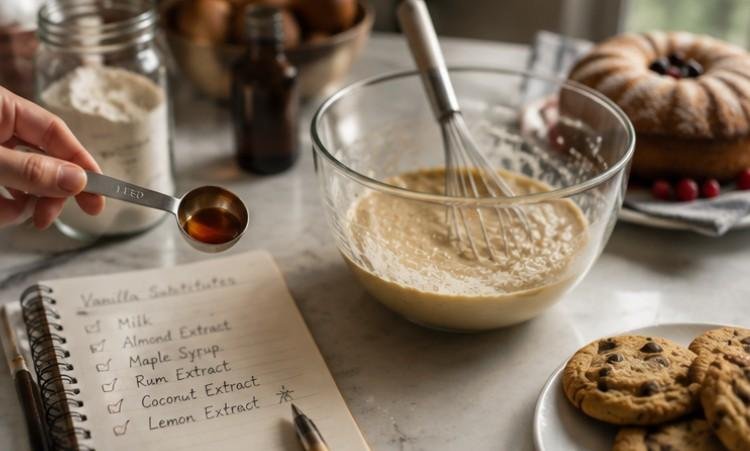
If the dough still crumbles, add milk, water, or melted butter one teaspoon at a time. Mix gently after each addition and stop once the dough holds together.
For rich dough, half a beaten egg or one room-temperature yolk may help when extra fat and moisture are needed. Eggs also affect structure and spread.
Why Cookie Dough Turns Dry
Dry dough usually comes from an imbalance of flour, fat, and moisture. Finding the cause helps you choose a targeted fix.

Too Much Flour
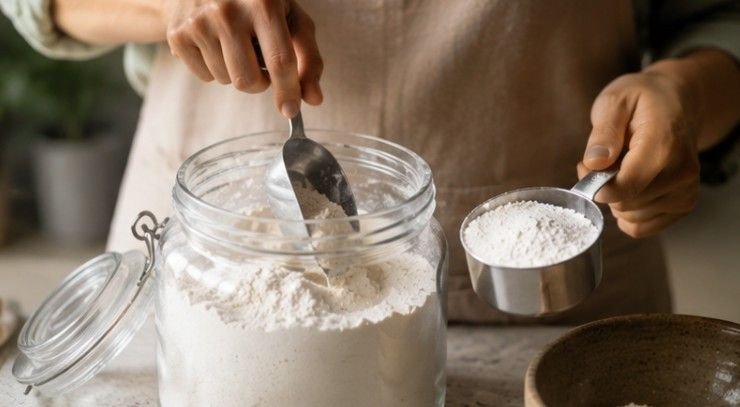
Excess flour is a common cause of crumbly cookie dough. Scooping directly from a bag can pack flour into the cup, giving you more than the recipe intended.
For accuracy, weigh flour or spoon it gently into a measuring cup and level the top. King Arthur Baking recommends weighing flour whenever possible because measurement differences can noticeably affect baking results.
Overmixing the Dough
Mixing too long after adding flour encourages gluten development. This can make dough tighter and produce cookies that are firmer or tougher than intended.
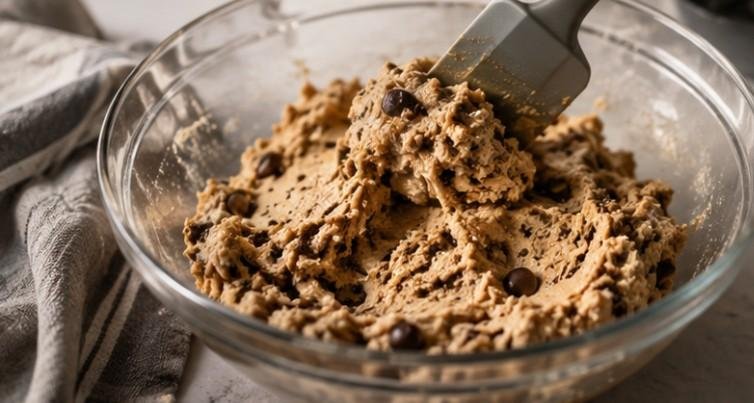
Mix only until the flour disappears. Fold chocolate chips, nuts, or other additions in with a spatula rather than continuing to beat the dough.
Browning Butter Too Long
Brown butter tastes nutty, but heating evaporates water. Cooking it too long can leave dough drier than expected.
Use recipes designed for browned butter. Some formulas replace lost moisture with measured milk or water.
Choose the Right Rescue Ingredient
The best addition depends on the cause. Matching the ingredient to the problem gives you better control over texture and spread.

Milk or Water
Milk adds moisture plus small amounts of fat and protein. Water adds hydration with little flavor change, making either useful for minor dryness.
Start with one teaspoon, mix gently, and reassess. Large additions are difficult to reverse once cookie dough becomes sticky.
Melted Butter
Melted butter is useful when the dough lacks fat, not simply whenever it looks crumbly. It can improve tenderness and help dry crumbs bind.
Add only a teaspoon at a time. Too much butter can create flat cookies with greasy bottoms, especially in recipes with reduced sugar bakes.
Egg Yolk
Egg yolk contributes moisture, fat, and emulsifiers, so it can help rich dough when an egg component was accidentally omitted or clearly needed.
Do not add a whole egg casually. Excess egg can make cookies cakey, puffy, or too soft instead of merely correcting dryness.
Test One Cookie First
A test cookie can reveal more than guessing from the bowl. Once the dough feels workable, bake one portion at the recipe’s stated temperature and time.
Let it cool briefly, then check its spread, center, and edges. If it remains unusually thick and dry, the dough may need another tiny adjustment.
If it spreads too far, stop adding liquid or fat. Chill the dough briefly if needed before testing again.
Prevent Dry Cookie Dough
Good measuring, temperature control, and storage make cookie dough more predictable and reduce the need for last-minute fixes.
Measure Flour Correctly
A kitchen scale gives the most consistent results. Without one, loosen the flour, spoon it into the cup, and level the top without packing.
Watch Ingredient Temperature
Softened butter should be pliable, not melted or oily. Chilled cookie dough should also have time to soften before you decide it is too dry.
Temperature affects mixing and oven spread, so treat those instructions as part of the recipe rather than optional suggestions.
Store Dough Airtight
Cookie dough can lose moisture when exposed to refrigerator air. Cover the bowl tightly or transfer the dough to an airtight container before chilling.
For longer storage, portion and freeze dough properly. Good storage prevents a dry crust and preserves the intended moisture balance.
Frequently Asked Questions
1. How Do You Rehydrate Cookie Dough?
Let the dough rest for 10 minutes first. If it remains crumbly, add milk, water, or melted butter one teaspoon at a time, mixing gently until it holds together without becoming sticky.
2. How Do You Fix Dough That Is Too Dry?
Check whether the dough is cold, overfloured, or missing an ingredient. Then add a suitable liquid or fat gradually, allowing each teaspoon to blend before deciding whether more is necessary.
3. Can You Make Dry Cookies Soft Again?
Yes. Store dry cookies in an airtight container with a slice of bread for several hours. They can absorb some moisture, although severely overbaked cookies may not become completely soft again.
4. What Is the Best Way to Learn How to Fix Dry Cookie Dough?
The safest way to learn how to fix dry cookie dough is to check temperature first, rest the dough, review the recipe, then add moisture gradually so you do not overcorrect the batch.
Turn Crumbs Into Cookies
Learning how to fix dry cookie dough gives you a simple way to rescue a batch without waste. Now you can make ahead desserts for a party. Start by resting or warming the dough, then correct moisture one teaspoon at a time. I get the best results from small adjustments, accurate measuring, and one test cookie before baking the tray. With that routine, crumbly dough becomes an easy kitchen problem instead of a baking disaster.