
Standing in the kitchen with fresh pie waiting, pulling out a bulky stand mixer for a small splash of topping always feels like too much work. Learning how to whip cream by hand saved my dessert game years ago, turning a tiresome arm workout into a quick two-minute kitchen trick.
Key Takeaways
- Cold equipment and high-fat heavy cream double volume in under three minutes.
- Side-to-side whisking beats circular stirring by incorporating twice the air per stroke.
- Powdered sugar stabilizes fluffy peaks better than granulated sugar due to added cornstarch.
- Over-whipped grainy cream can be rescued easily with a splash of unwhipped cold cream.
- Hand whipping gives total control, preventing accidental butter transformation compared to electric mixers.
You Should Know How to Whip Cream by Hand
Skipping the electric mixer is not just nostalgic, it is a fun kitchen power move that gives you absolute texture control. Knowing how to whip cream by hand saves you from annoying dishwashing sessions while preventing accidental over-whipping into dense butter. You get silky, restaurant-quality clouds of sweet cream in under three minutes using simple elbow grease and basic kitchen tools.
Essential Equipment and Ingredients for Easy Whipping
Gathering the right tools and cold ingredients ensures your heavy cream expands effortlessly into lofty peaks without tiring your arm.
High-Fat Heavy Cream
Always purchase heavy whipping cream or heavy cream containing at least thirty-six percent milkfat. Lower fat dairy like half-and-half lacks the structural fat network required to trap air bubbles securely.
Powdered Sugar and Vanilla
Confectioners’ sugar dissolves instantly and contains trace cornstarch that absorbs moisture to stabilize your whipped peaks.
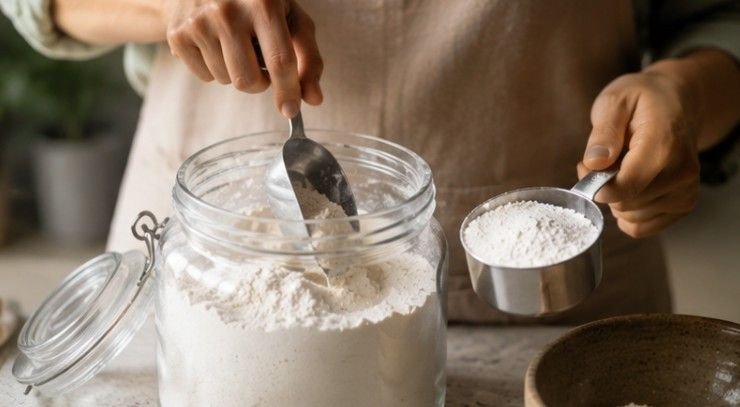
Just as learning how to measure flour correctly improves consistency in baking, measuring powdered sugar accurately helps keep whipped cream light rather than overly sweet or dense. Pure vanilla extract adds warm, aromatic flavor that elevates plain cream into a dessert highlight.
Metal Bowl and Balloon Whisk
Select a large stainless steel bowl because metal retains cold temperatures vastly better than plastic or ceramic. A wide balloon whisk features flexible wire loops that push massive amounts of air through liquid dairy with every stroke.
Step-by-Step Guide on How to Whip Cream by Hand

Following these precise physical movements guarantees light, billowy sweet toppings in roughly three minutes flat.
Chill the Bowl
Place your metal mixing bowl and balloon whisk into the freezer for ten to fifteen minutes before starting. Ice-cold metal keeps the milkfat firm, allowing fat globules to build a strong network that traps air rapidly.
Combine Ingredients
Pour one cup of very cold heavy cream, one to two tablespoons of powdered sugar, and half a teaspoon of vanilla extract into the chilled bowl. Combining everything right at the start ensures sweet flavors distribute evenly as the liquid expands.
Tilt the Bowl
Angle your mixing bowl at approximately forty-five degrees on your countertop so the liquid pools along the lower edge. Tilting creates a deep pool that allows your whisk wires to submerge fully and scoop up maximum volume per sweep.
Whisk Vigorously
Drive your wire whisk in a fast back-and-forth sweeping motion across the bottom pool using your forearm and wrist. Side-to-side sweeping forces air straight through the liquid, incorporating twice as much oxygen as standard circular stirring.
Watch the Peaks
Observe the liquid carefully as it transforms from frothy bubbles into thick, pillowy clouds that hold soft-to-medium peaks. Stop whisking the moment the cream holds its shape gently on the whisk to avoid churning your topping into solid butter.
Temperature Science and Fat Mechanics

Understanding how temperature alters dairy fat structures guarantees consistent whipping performance in any kitchen environment.
Cold Temperature Physics
Microscopic fat globules in heavy cream must remain solid and firm to form a stable framework around trapped air bubbles. If your kitchen or bowl gets warm, those fat membranes melt and collapse, leaving you with sloshing liquid that refuses to rise.
Air Incorporation Dynamics
Whisking rapidly breaks up liquid dairy into micro-bubbles while simultaneously coating those bubbles in solid fat particles. As millions of fat-coated air pockets link together, the mixture doubles in volume and locks into a smooth semi-solid structure.
Stabilizing Peak Hold
Powdered sugar acts as a gentle binder because its fine particles blend seamlessly into the moisture without causing grittiness. The tiny fraction of starch present in confectioners’ sugar prevents liquid weeping, keeping your whipped clouds firm for hours in the fridge.
This extra stability is especially useful when preparing easy no bake desserts with few ingredients, where whipped cream often provides much of the dessert’s structure and texture.
Troubleshooting Common Hand Whipping Mistakes

Fixing common mistakes saves your ingredients and ensures your final dessert topping looks gorgeous every time.
Identifying Soft vs. Stiff Peaks
Soft peaks slump over gently when you lift your whisk, making them ideal for spooning over warm fruit pies or hot cocoa. Stiff peaks hold rigid, upright points that remain firm, which works best for piping decorative borders on frosted layer cakes.
Fixing Grainy Over-Whipped Cream
If your cream looks clumpy or curdled, you have whisked past stiff peaks into early stages of butter separation. Instantly pour in one to two tablespoons of unwhipped cold heavy cream and gently fold it in with a spatula to restore silky smoothness.
Correcting Warm Room Slippage
When whipping cream in a hot summer kitchen, your bowl can warm up before peaks have time to form fully. Set your mixing bowl inside a larger outer bowl filled with ice cubes to keep the dairy chilled while you finish whisking.
Frequently Asked Questions
1. How long does it take to hand whip cream?
Learning how to whip cream by hand typically takes two to four minutes of vigorous whisking when using chilled equipment. Utilizing a wide balloon whisk and a fast side-to-side motion cuts your prep time down significantly compared to circular stirring.
2. Can I whip cream with my hand?
Yes, you can easily whip cream by hand using a standard manual wire whisk or a glass jar. Hand whisking actually gives you superior control over the final texture, preventing you from over-beating your sweet cream into dense butter.
3. What is the easiest way to whip cream?
The easiest approach is sweeping ice-cold heavy cream in a pre-chilled metal bowl using a large balloon whisk. Tilting your bowl at a forty-five-degree angle creates a deep pool that speeds up air incorporation dramatically.
4. Can I whip cream with a fork?
You can whip cream using a common dinner fork, though it requires eight to ten minutes of rapid forearm effort. A fork’s small tines move far less air per stroke, so using a wire balloon whisk remains vastly faster.
Whisk Your Way to Sweet Perfection Today
Ditching bulky electric gadgets for a simple whisk and cold bowl makes dessert preparation faster, cleaner, and far more satisfying. Now that you know how to whip cream by hand effortlessly, chilled tools and smart wrist movements will yield billowy sweet clouds in under three minutes. Grab your balloon whisk, chill your metal bowl, and elevate your favorite pies today!