
A tray of cookie dough can look perfect going into the oven and somehow come out looking like one giant pancake. I have learned that how to prevent cookies from spreading is less about complicated baking tricks and more about controlling temperature, ingredient ratios, dough texture, and the baking surface. A few smart adjustments can turn flat cookies into thick, chewy, evenly shaped treats.
Cookies naturally spread a little as butter and sugar melt, but excessive spreading usually signals that something happened before or during baking. Understanding those small details makes troubleshooting much easier and can save an entire batch before it reaches the oven.
Key Takeaways
- Chill soft dough before baking.
- Measure flour accurately.
- Keep butter cool rather than melted.
- Use room-temperature baking sheets.
- Line trays with parchment instead of adding grease.
Why Do Cookies Turn Flat?
Understanding what happens inside the oven makes every fix easier to remember.
Butter Melts Too Quickly
Butter provides flavor and tenderness, but it also controls how fast dough moves across the baking sheet. If the butter is too warm, partially melted, or fully melted when the recipe expects softened butter, it begins flowing before the cookie structure has time to set.
Properly softened butter should still feel slightly cool. Press it gently with a finger and it should leave an indent without collapsing. Shiny, greasy, extremely soft butter is usually too warm for recipes designed around creamed butter.
Dough Has Too Much Moisture
Cookie dough depends on a careful balance between flour, fat, sugar, eggs, and other liquids. Too little flour or too much moisture makes the dough less capable of holding its shape.
Even seemingly small changes matter. Using a larger egg, pouring flour inaccurately, or substituting ingredients can change the wet-to-dry ratio enough to create noticeably flatter cookies.
Oven Heat Is Off
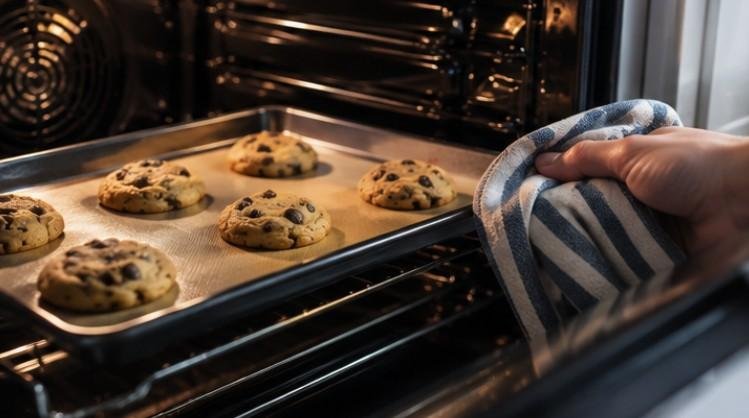
The oven needs to set the outside of the cookie while the fat melts. If the temperature is lower than expected, the dough may have extra time to flow outward before enough structure develops.
An oven thermometer is useful because built-in oven displays are not always completely accurate. Allow the oven to preheat fully before baking rather than putting cookies inside as soon as the preheat light appears.
Control Temperature And Dough
Temperature is often the fastest place to start when cookies spread more than expected.
Chill The Cookie Dough
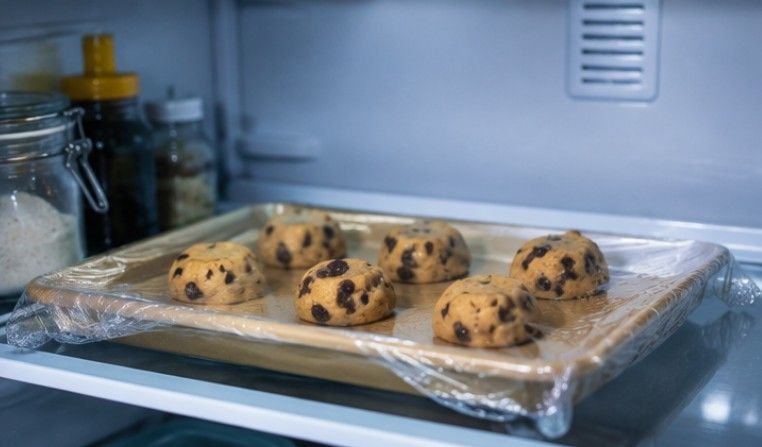
Refrigerating cookie dough gives the butter time to firm up. Firmer fat melts more slowly, giving the dough additional time to set before spreading excessively.
For many drop-cookie recipes, chilling scooped dough for about 30 minutes is a good starting point. Very soft dough may benefit from one or two hours, while recipes specifically designed for overnight chilling should follow their stated resting time.
Chilling also allows flour to absorb moisture more completely. This can create dough that is easier to handle and, depending on the recipe, cookies with stronger flavor and a chewier texture.
Shape Taller Dough Portions
A simple shaping technique can help create thicker cookies. Instead of flattening dough balls or forming perfectly round spheres, shape them slightly taller than they are wide.
This gives the cookie more vertical height before the fat starts melting. It will not repair a badly unbalanced recipe, but combined with chilled dough and accurate measurements, it can encourage a thicker center.
Keep Baking Sheets Cool
A surprisingly common problem appears after the first batch. The first tray looks wonderful, while the second spreads dramatically even though the same dough was used.
The culprit may be the baking sheet. Placing chilled dough onto a hot pan begins melting the butter immediately. Let the tray cool completely before loading another batch, or rotate between two baking sheets.
How To Prevent Cookies From Spreading
The most reliable method combines good dough preparation with careful measurements and the right baking setup.
Measure Flour Accurately
Flour gives cookie dough much of its structure. Too little flour leaves the melting butter and sugar without enough support, causing the cookie to flow outward.
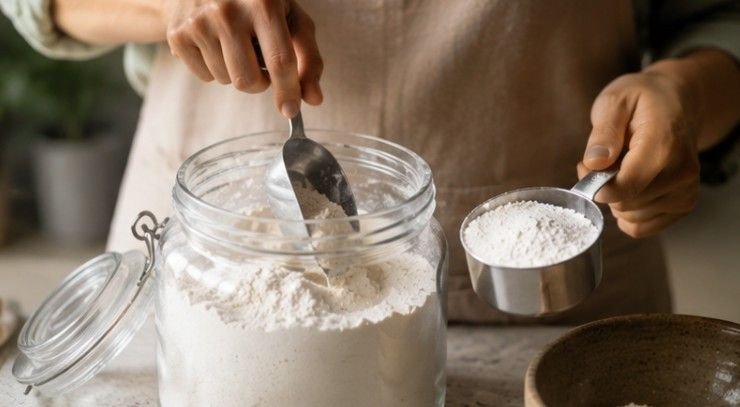
A digital kitchen scale gives the most consistent results because flour can vary significantly when measured by volume. If a scale is unavailable, spoon flour gently into the measuring cup and level it rather than packing or shaking the flour down.
If you know the dough was accidentally under-measured and feels unusually wet, adding one tablespoon of flour at a time may help. Avoid automatically adding extra flour to a correctly prepared recipe because too much can make cookies dry or cakey.
Use Cool Softened Butter
For recipes that call for softened butter, avoid treating “room temperature” as extremely soft. The ideal butter should bend slightly and accept a gentle fingerprint while still holding its shape.
If butter becomes too warm while mixing, refrigerate the prepared dough before baking. Never assume that adding extra flour is the first solution because the actual problem may simply be temperature.
Test Two Cookies First
Before filling an entire tray, bake two cookies using the planned temperature and baking time. This small test reveals whether the dough needs an adjustment without risking the whole batch.
If both cookies spread too much, chill the remaining dough for another 20 to 30 minutes. If the problem continues, inspect flour quantity, butter temperature, sugar level, egg size, and oven temperature before making further changes.
Improve Ingredients And Equipment
Once temperature is under control, a few ingredient and pan choices can make cookie spread much more predictable.

Choose Parchment Paper
Parchment paper provides a reliable nonstick surface without extra fat, helping cookies hold their shape better. Butter or cooking spray can make dough spread more quickly. Silicone baking mats are another good option and may produce slightly thicker cookies, but results depend on the recipe. For consistent everyday baking, parchment paper remains the safest choice.
Watch The Sugar Ratio
Sugar influences cookie spread, browning, texture, and moisture. Too much sugar can lead to flatter, crispier cookies. If adjusting a recipe, reducing sugar by 5–10% may help limit spreading, but avoid changing it in tested recipes since it also affects flavor and texture.
Use Cornstarch Carefully
Cornstarch can help create softer, thicker cookies by adding structure. About one teaspoon mixed into the dry ingredients may reduce spreading in some recipes. However, if the real issue is melted butter or a hot baking sheet, correcting the temperature is more effective than adding cornstarch.
Read Your Cookie Clues
The finished cookie can often tell you exactly where the problem started.
Flat And Greasy Cookies
A cookie that spreads widely and leaves a greasy appearance often points toward warm butter, too much fat, or insufficient flour.
Start by checking whether the butter was properly softened and whether the flour was accurately measured. Chill the remaining dough before altering the ingredient ratio.
First Batch Good, Second Batch Flat
This pattern strongly suggests a hot baking pan. The cookie dough begins warming before it even reaches the oven, giving the butter a head start on melting.
Transfer the dough back to the refrigerator and wait until the baking sheet feels completely cool.
Chilled Dough Still Spreads
If properly chilled dough continues spreading, look beyond refrigeration. Check ingredient measurements, egg size, sugar quantity, oven temperature, baking surface, and any substitutions made to the original recipe. A cold dough cannot completely compensate for an incorrect flour-to-fat ratio.
Also Read: How to fix dry cookie dough?
Frequently Asked Questions
1. Do Cookies Spread More On Parchment Or Silicone?
Both surfaces control spreading better than heavily greased pans. Silicone mats may produce slightly thicker cookies in some recipes, while parchment provides reliable browning, easy cleanup, and consistent results for most home bakers.
2. What Can I Add To Cookies To Keep Them From Spreading?
If the dough genuinely lacks structure, a small amount of flour or about one teaspoon of cornstarch may help. First check temperature and measurements because unnecessarily changing a balanced recipe can produce dry cookies.
3. How Do You Make Thick Cookies That Don’t Spread?
Use cool softened butter, accurately measured flour, chilled dough, tall dough portions, room-temperature baking sheets, and a fully preheated oven. Baking two test cookies first also lets you correct problems before baking the entire batch.
4. Why Is How To Prevent Cookies From Spreading Important?
Knowing how to prevent cookies from spreading helps you diagnose ingredient, temperature, and equipment problems before they ruin a full tray. It also produces more consistent cookie thickness, texture, shape, and baking time.
Bye-Bye, Cookie Pancakes!
Great cookies need some spread, but they should not race across the baking sheet. Once I started treating butter temperature, chilled dough, accurate flour measurements, cool pans, and oven heat as one system, my results became much more predictable. Mastering how to prevent cookies from spreading means you can spot problems early, bake a two-cookie test, make one smart adjustment, and enjoy thicker, chewier cookies instead of mystery puddles.